
Lucid
A digital pause before an impulsive message becomes harmful.
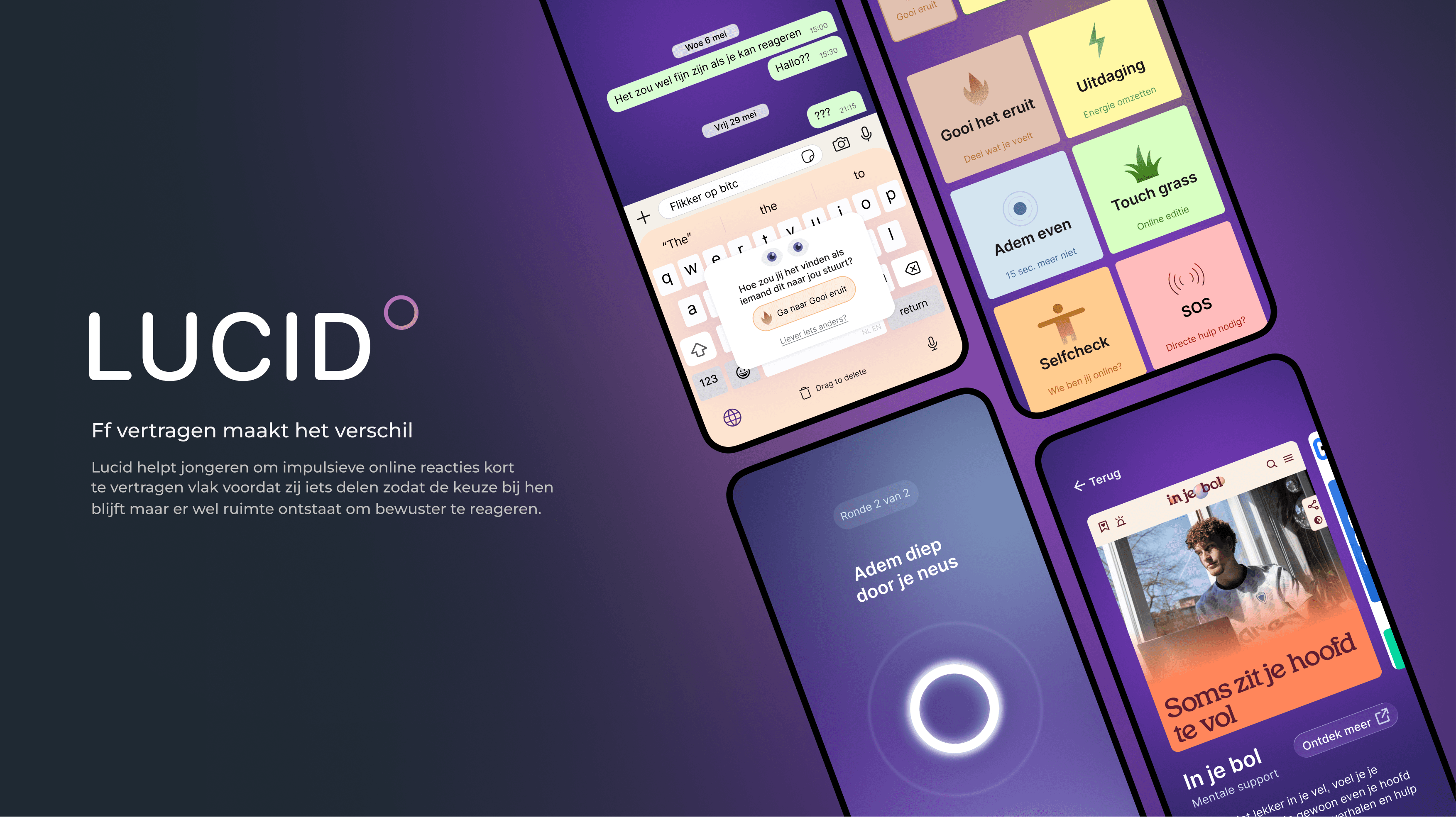
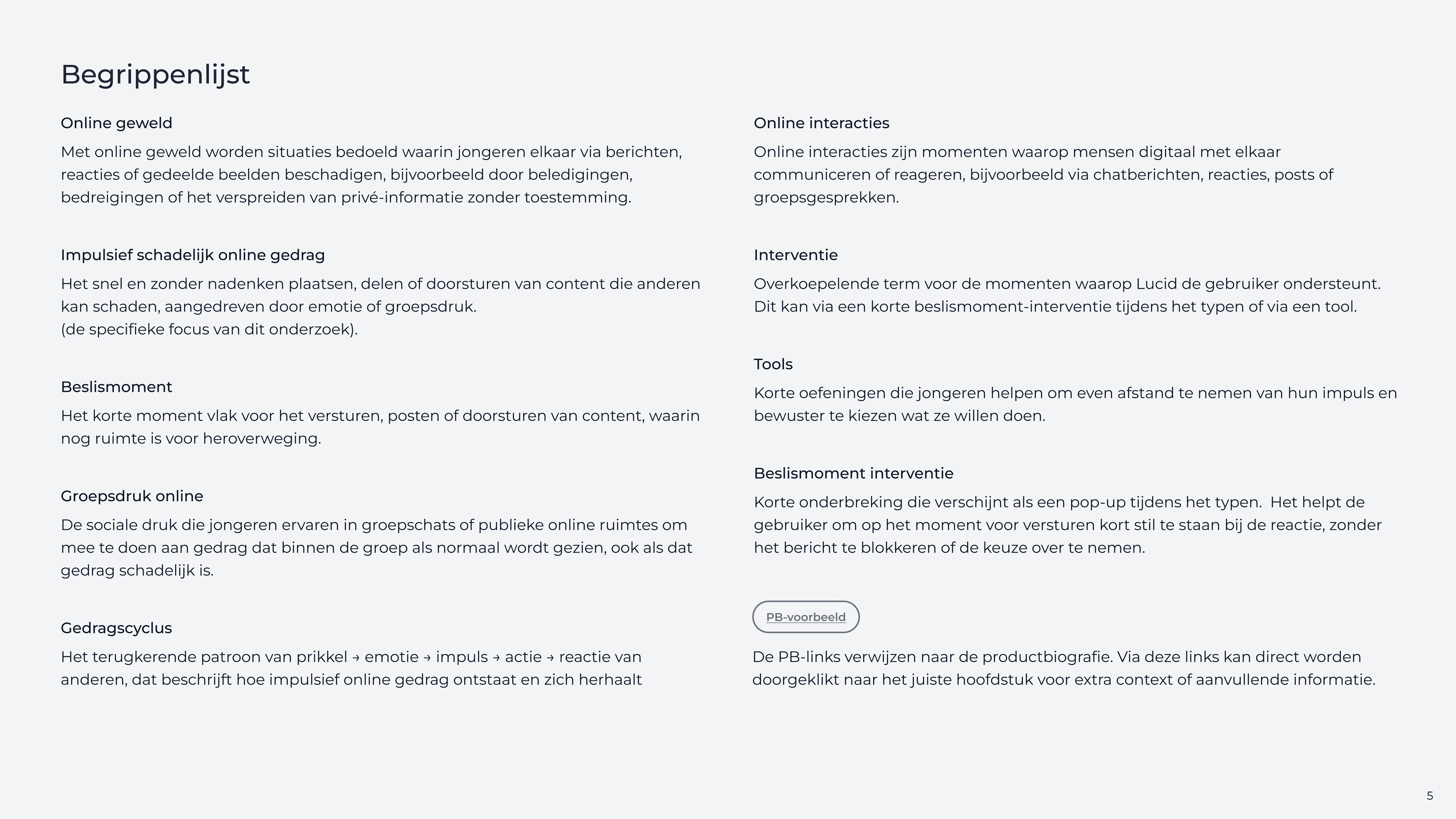
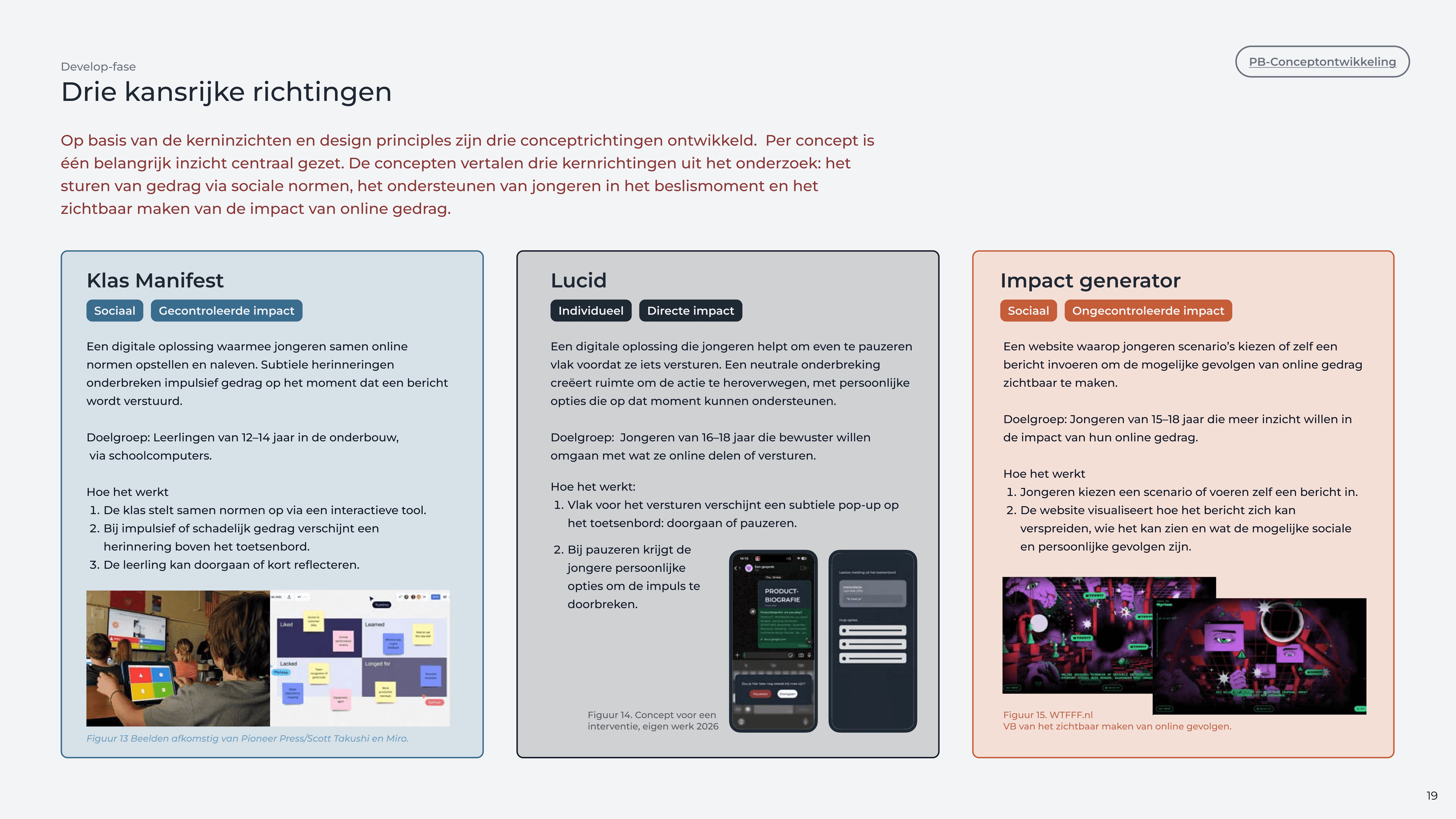
Lucid is a mobile concept that helps young people slow down before sending, posting or forwarding harmful content. Through a custom keyboard, it creates a brief moment of reflection without blocking the message or taking away the user's control.
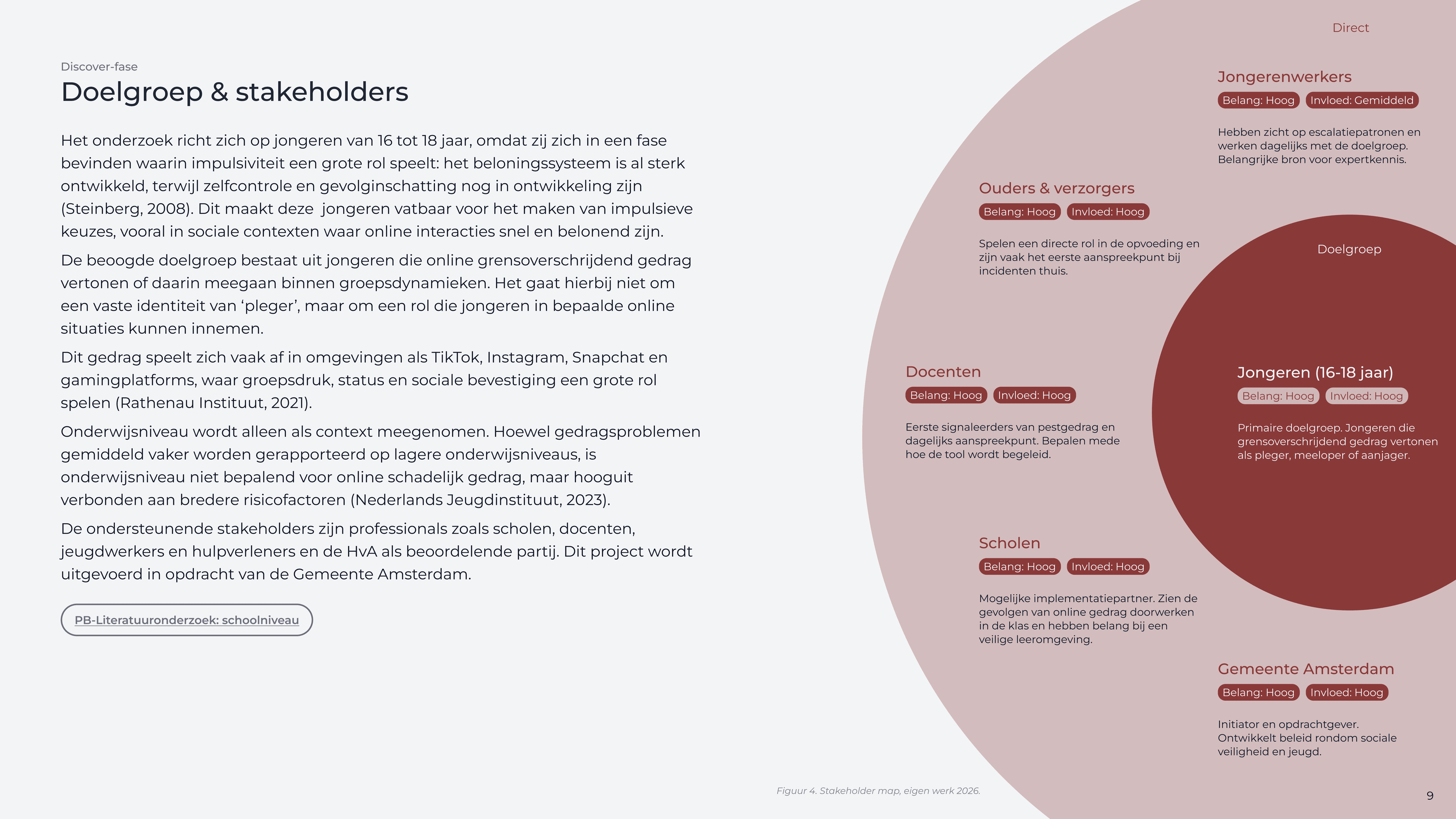
Stakeholder
City of Amsterdam
Duration
20 weeks
Expertises
UX designer

 Golden Dot Award Winner '26
Published on
Lucid: een app om te vertragen bij online haat - Gemeente Amsterdam, 2026
Golden Dot Award - Hogeschool van Amsterdam, 2026
Proof of genius - Oddny, 2026
01 Challenge
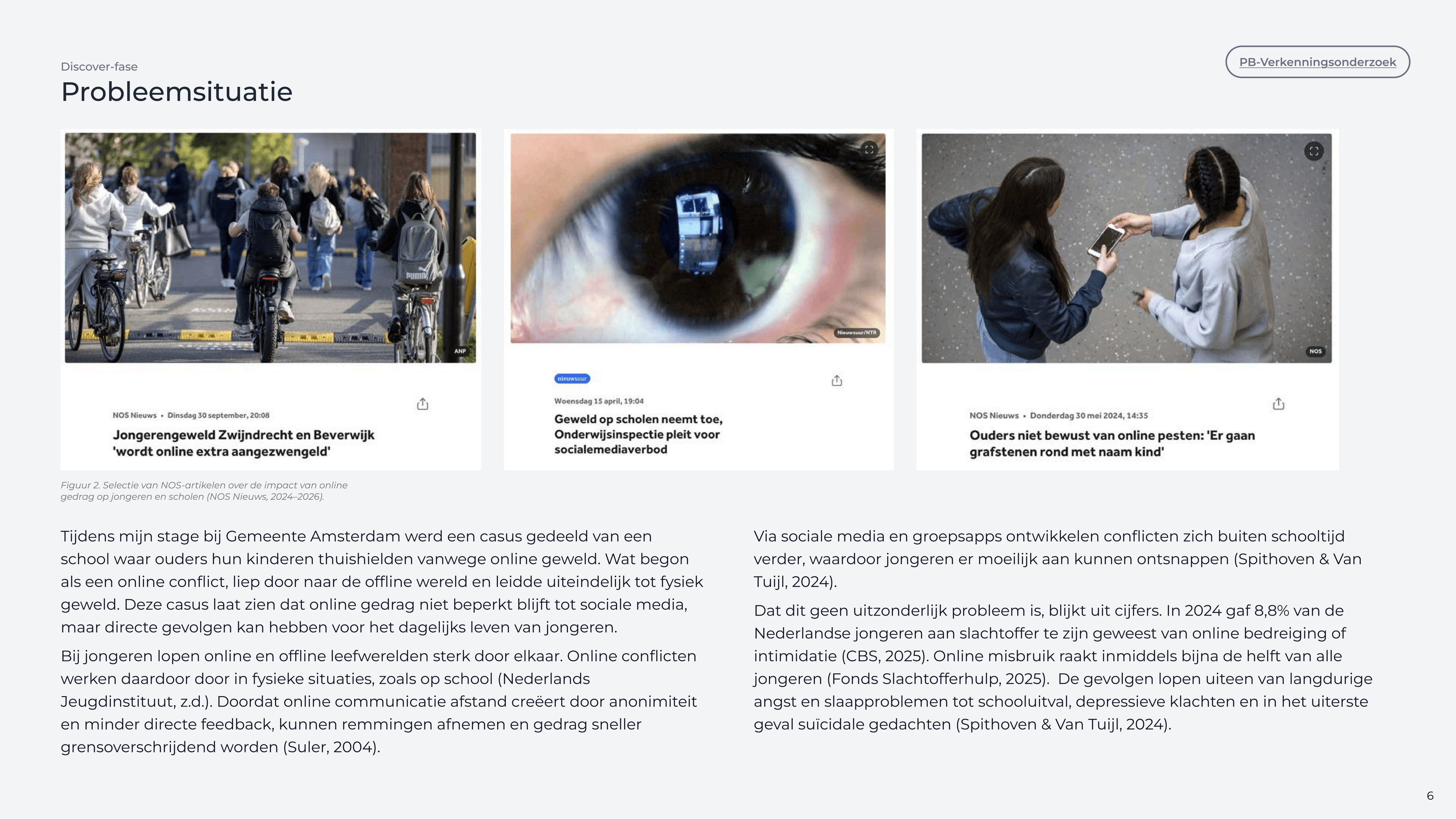
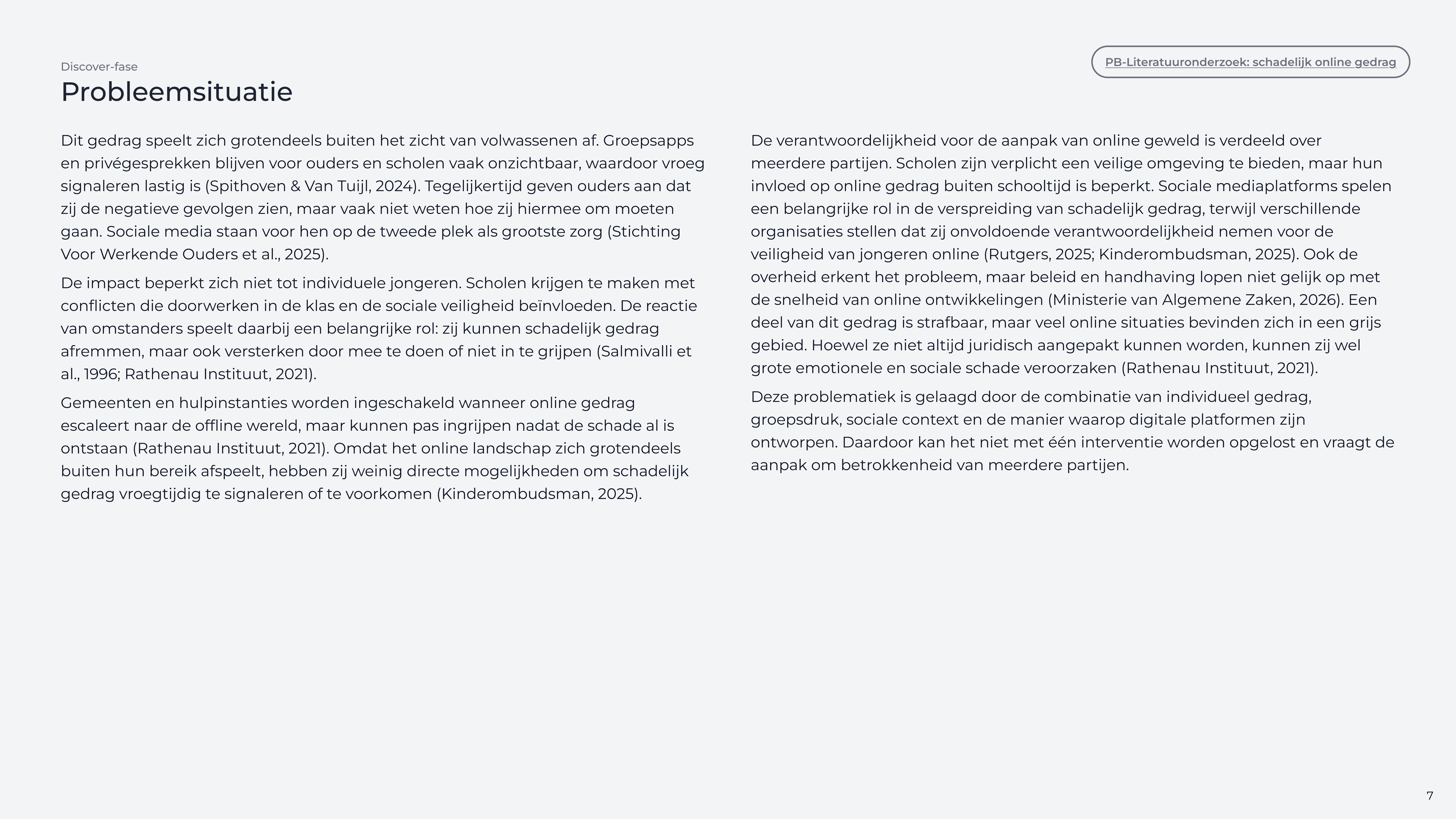
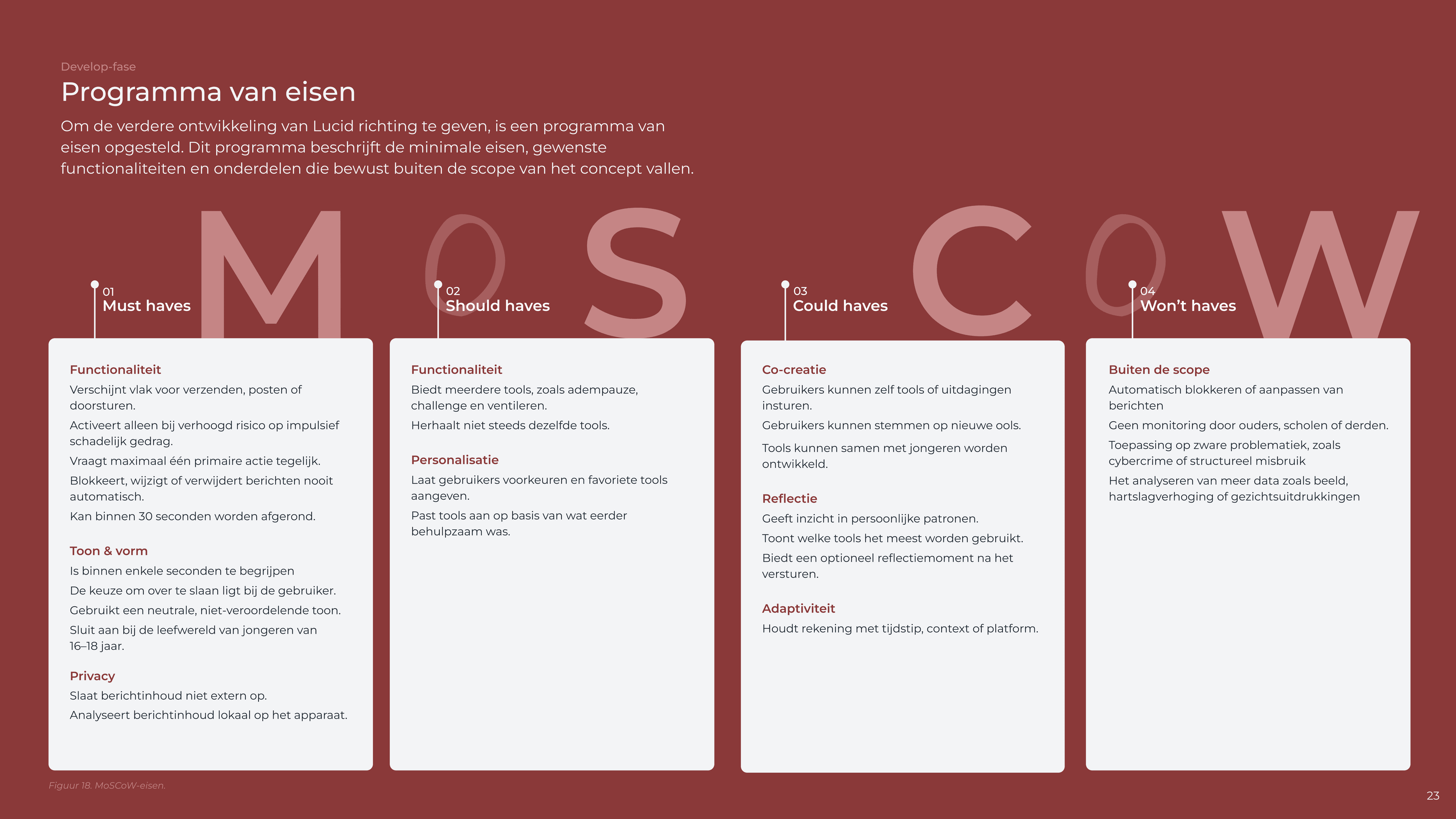
Harmful online behaviour among young people can quickly move from social media into school and everyday life. The challenge was to understand what drives impulsive messages, reactions and shared content, and identify where a digital intervention could help without feeling judgemental or controlling.
02 Approach
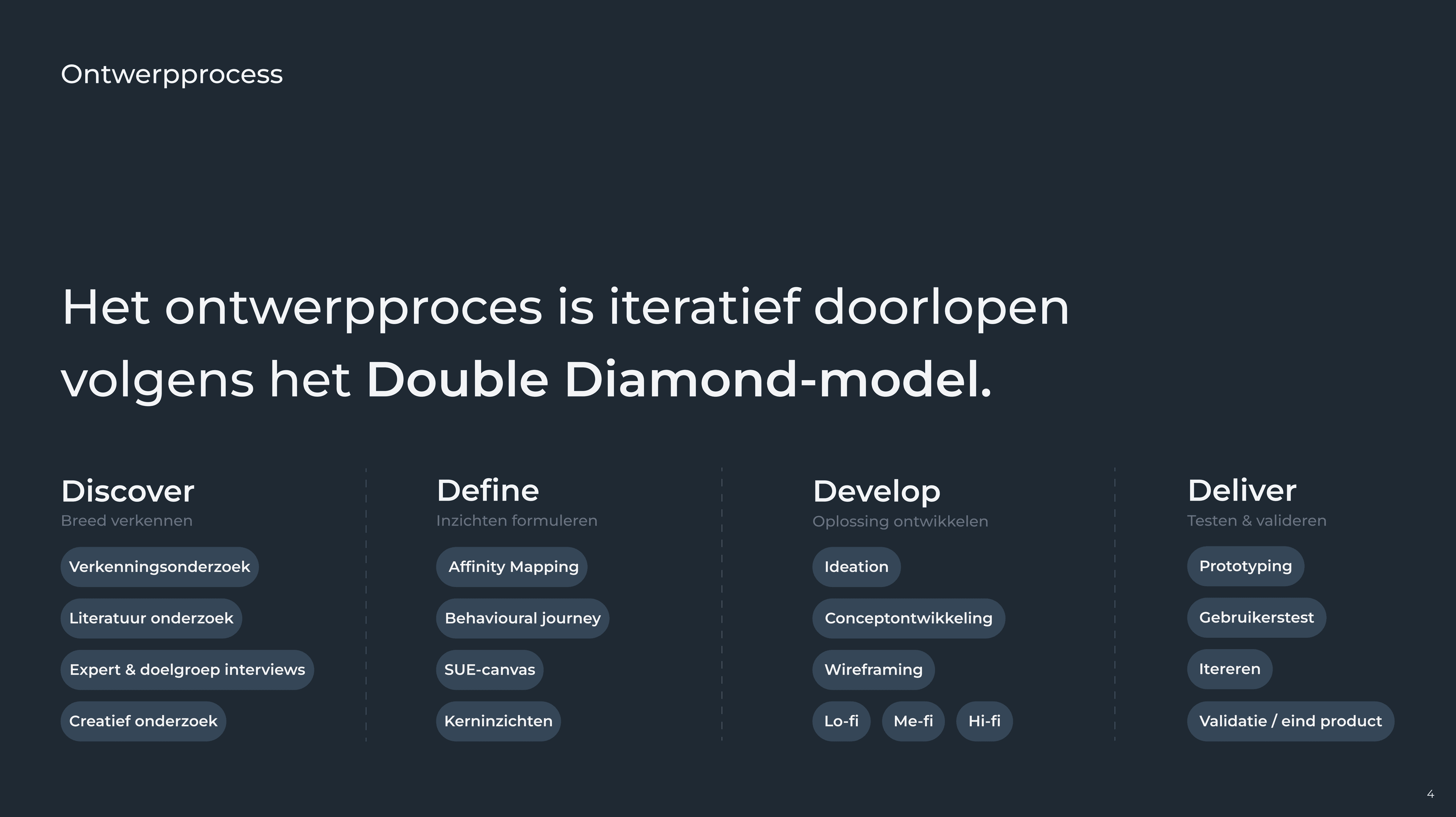
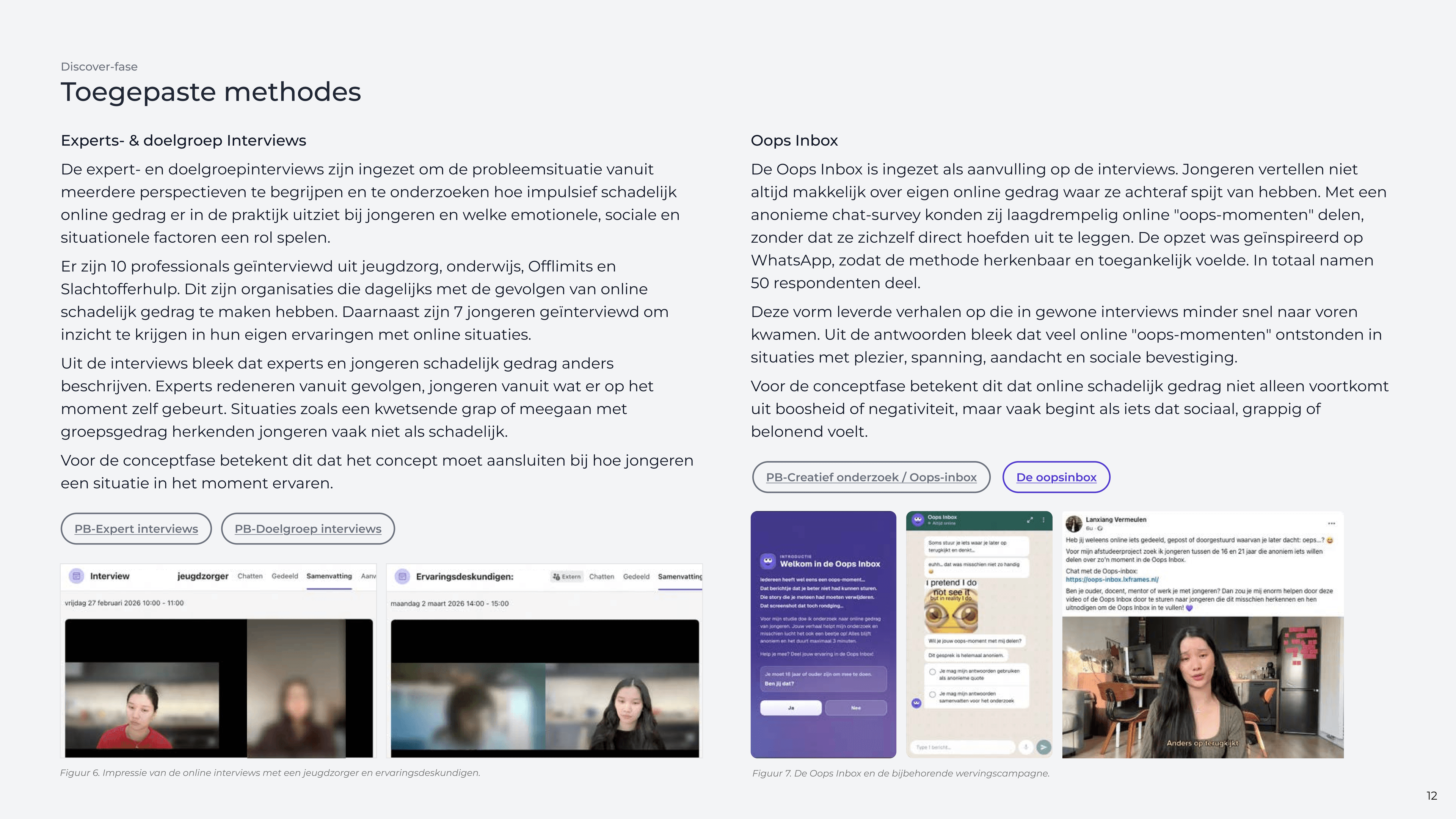
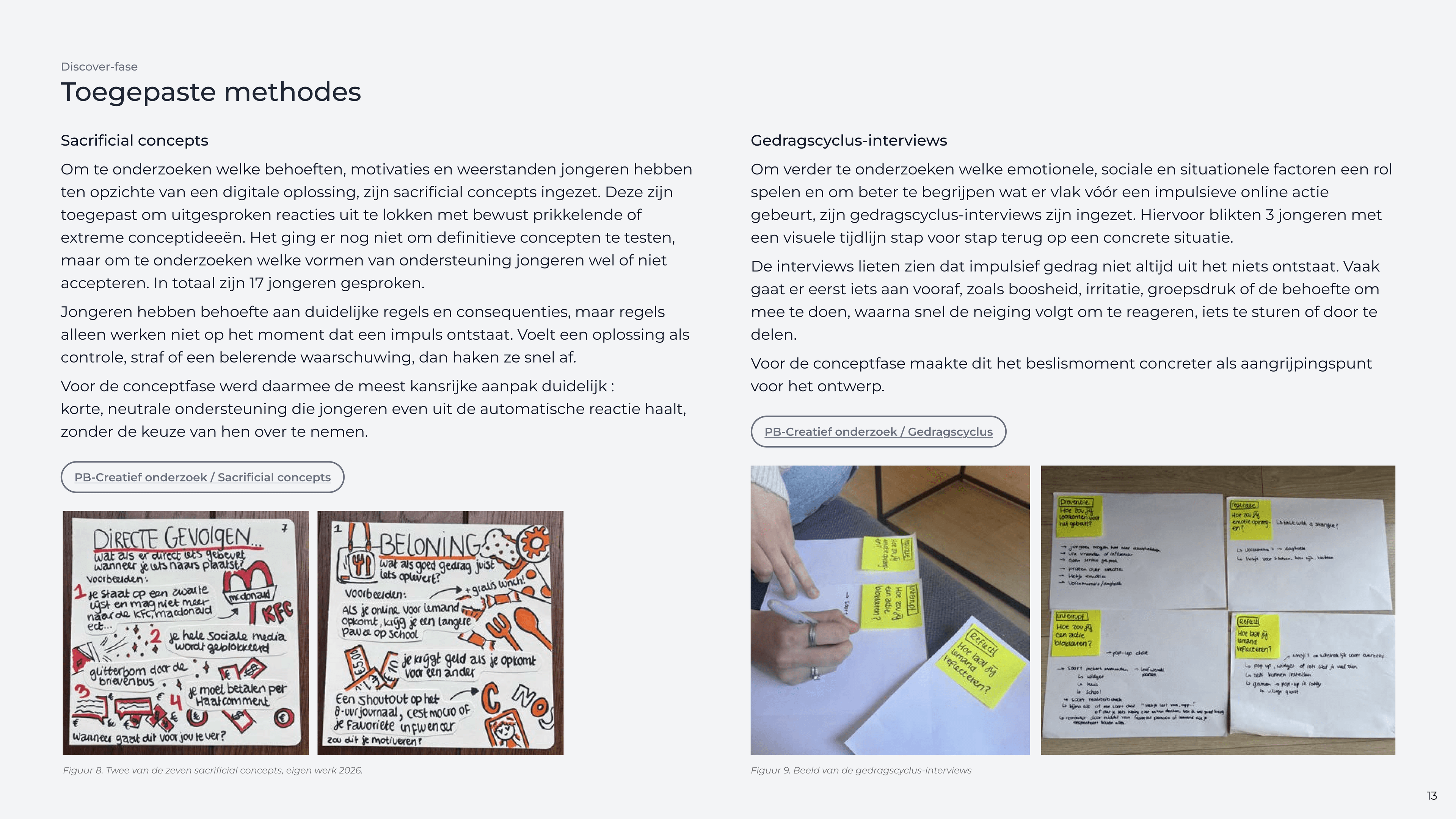
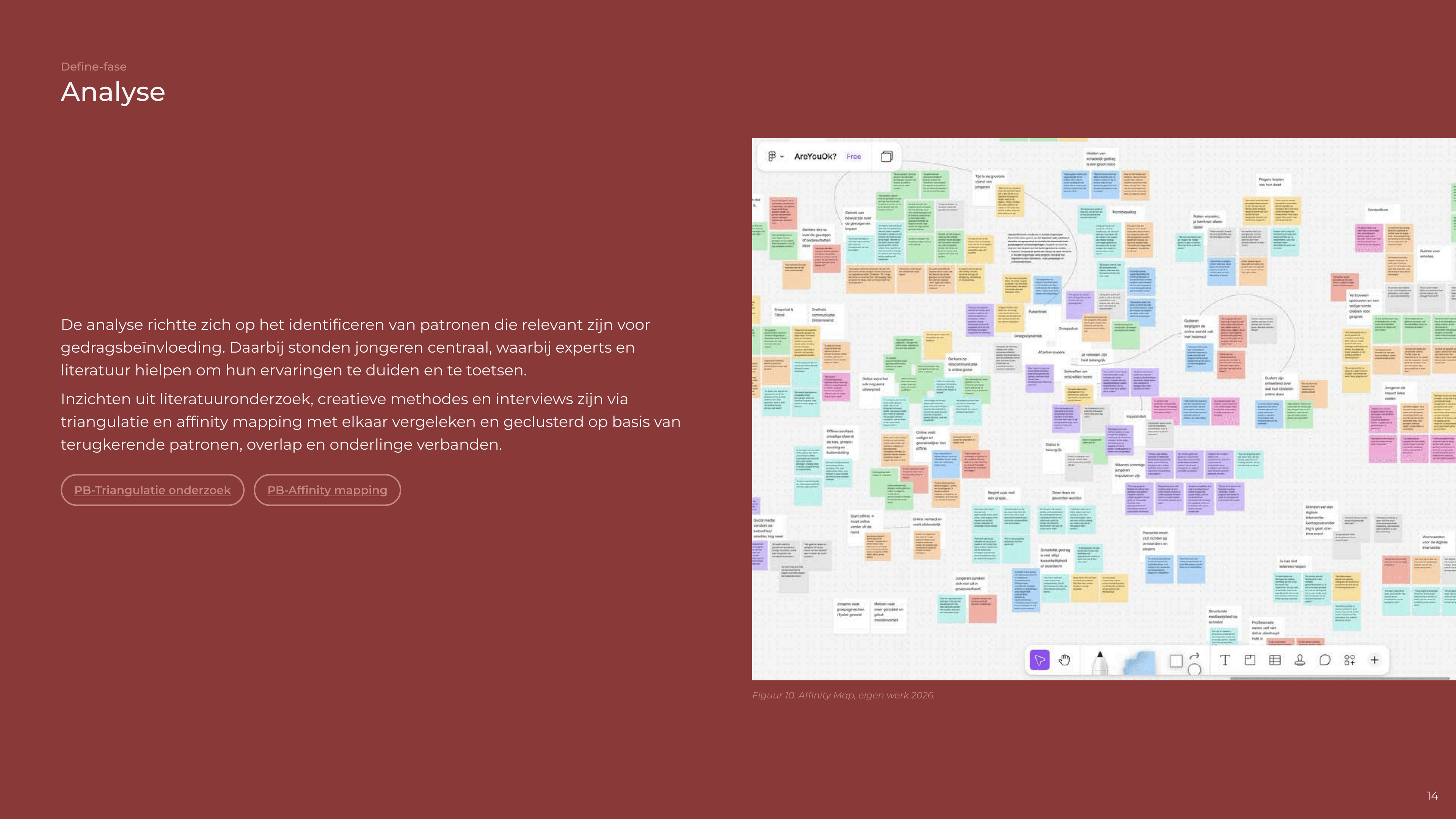
I independently led the full Double Diamond process, combining literature research, interviews, creative research methods, behavioural analysis, concept development and prototyping. By working with young people and professionals, I translated different perspectives into a design direction centred on one critical moment: the brief pause between impulse and action.
03 Outcome
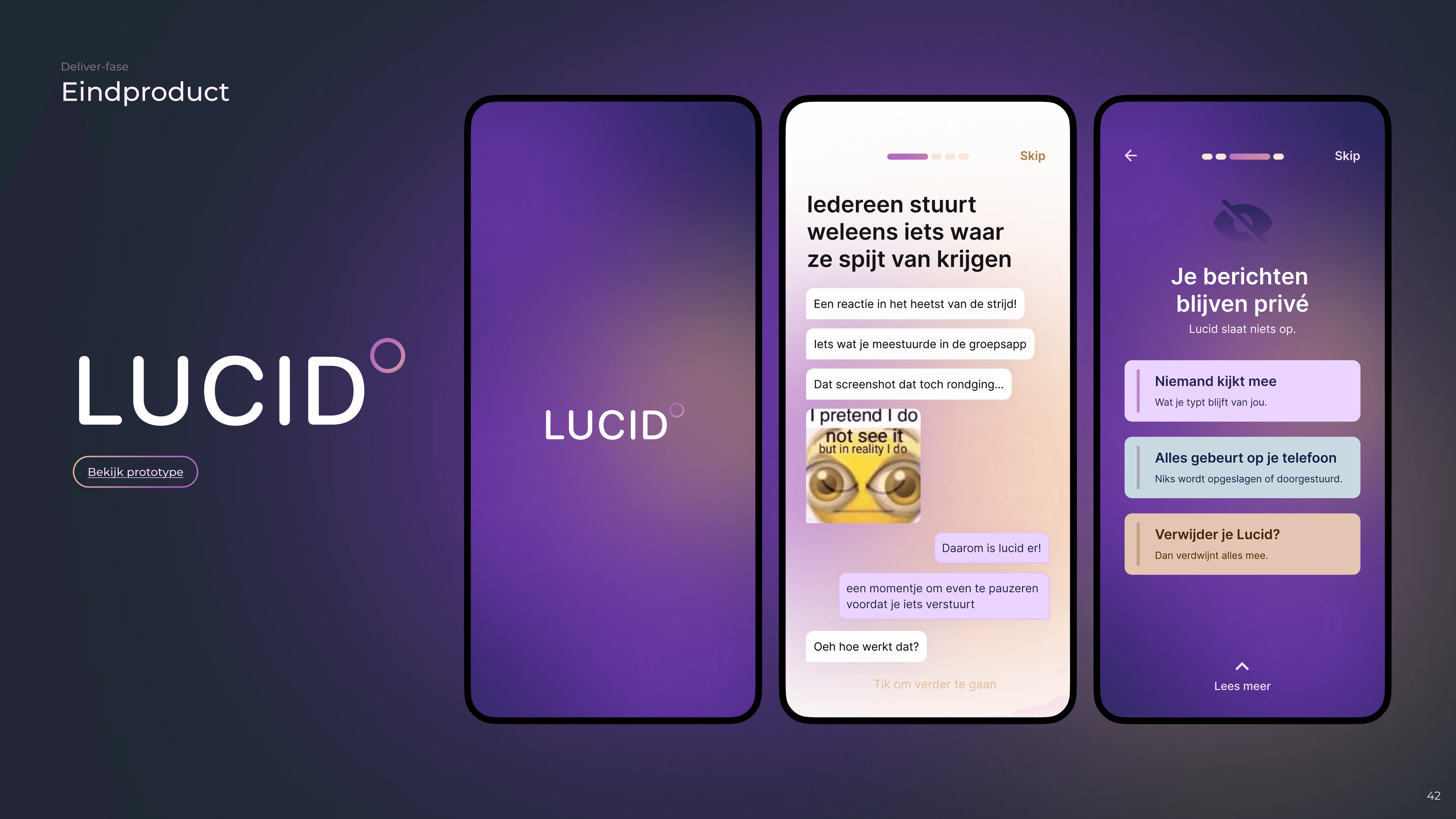
The project resulted in Lucid, a high-fidelity mobile concept that helps young people slow down before sending, posting or forwarding potentially harmful content. Lucid works through a custom keyboard and introduces subtle reflection questions and short exercises while the user is typing. It never blocks or changes a message, but creates space for a more conscious choice while leaving the final decision with the user.


Rather watch than read? You can also watch my project presentation.
The key insight
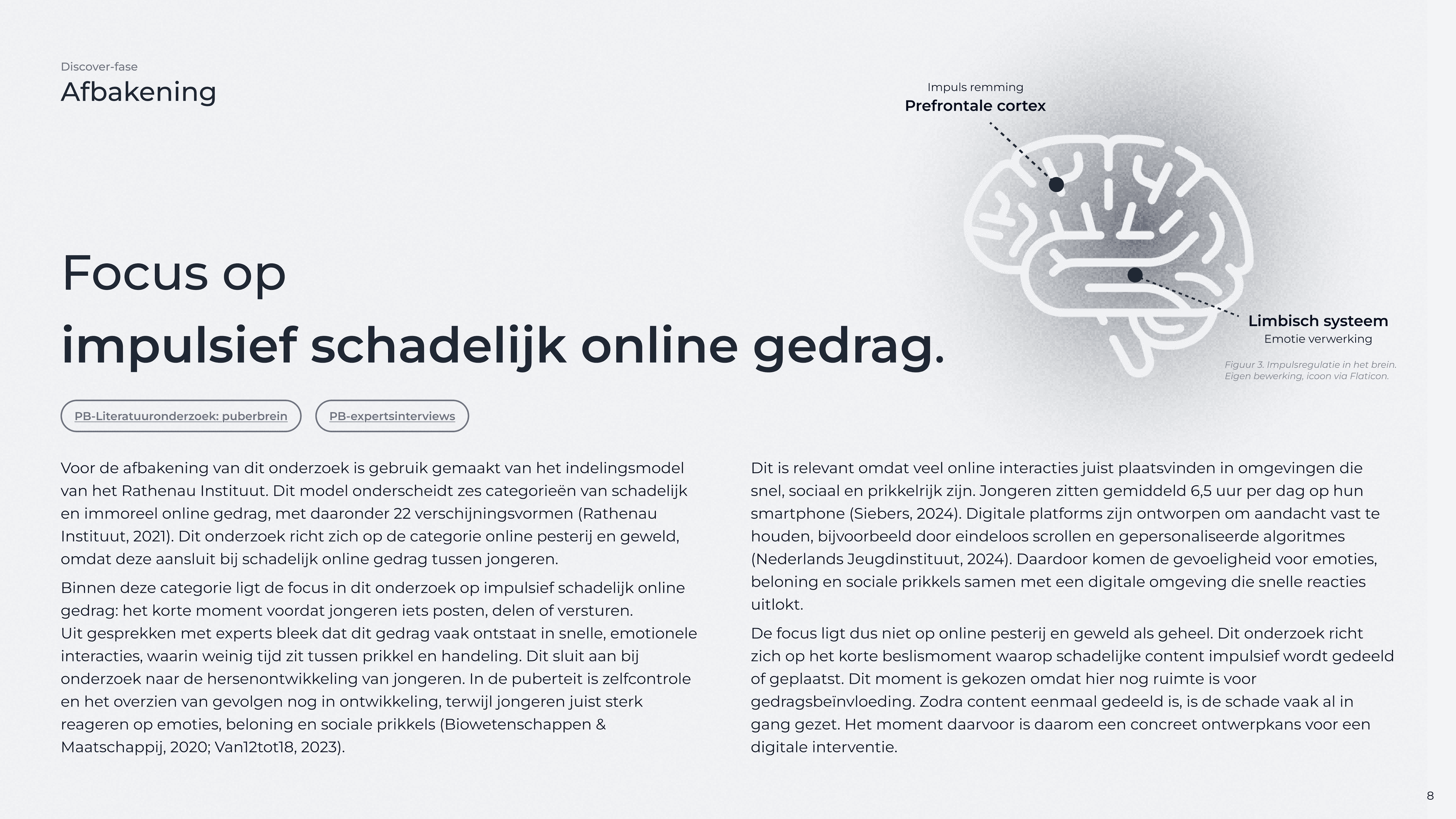
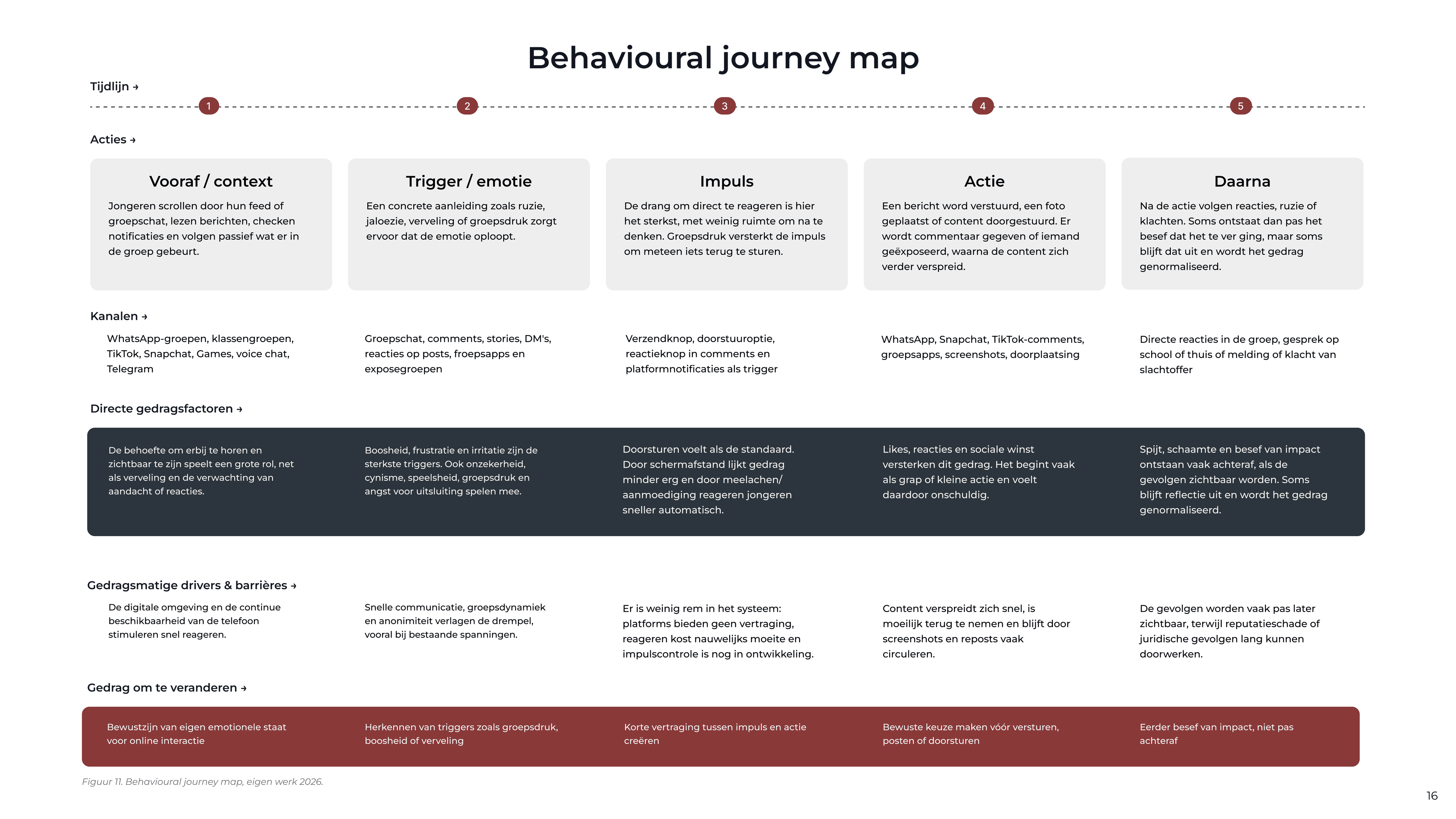
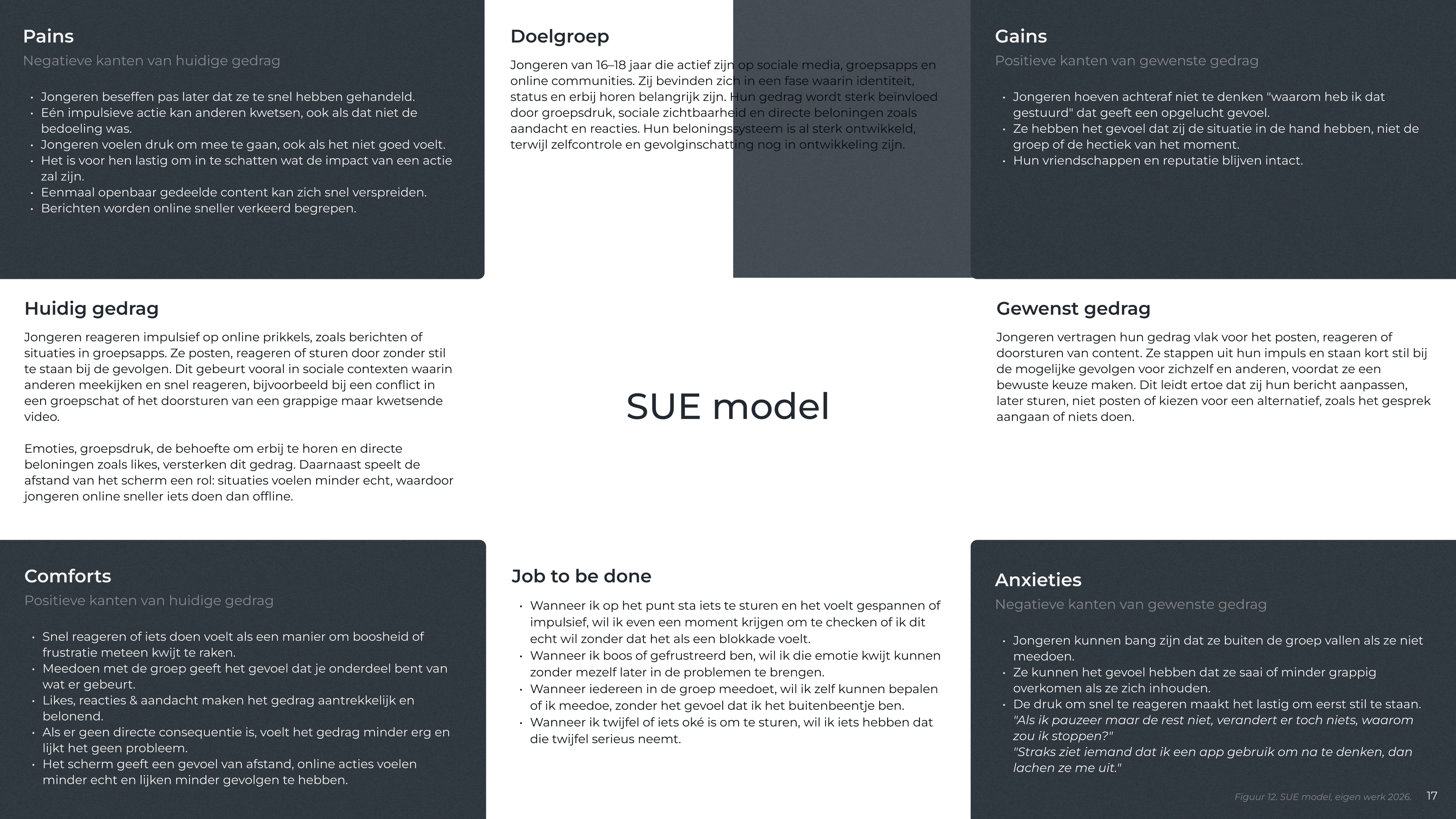
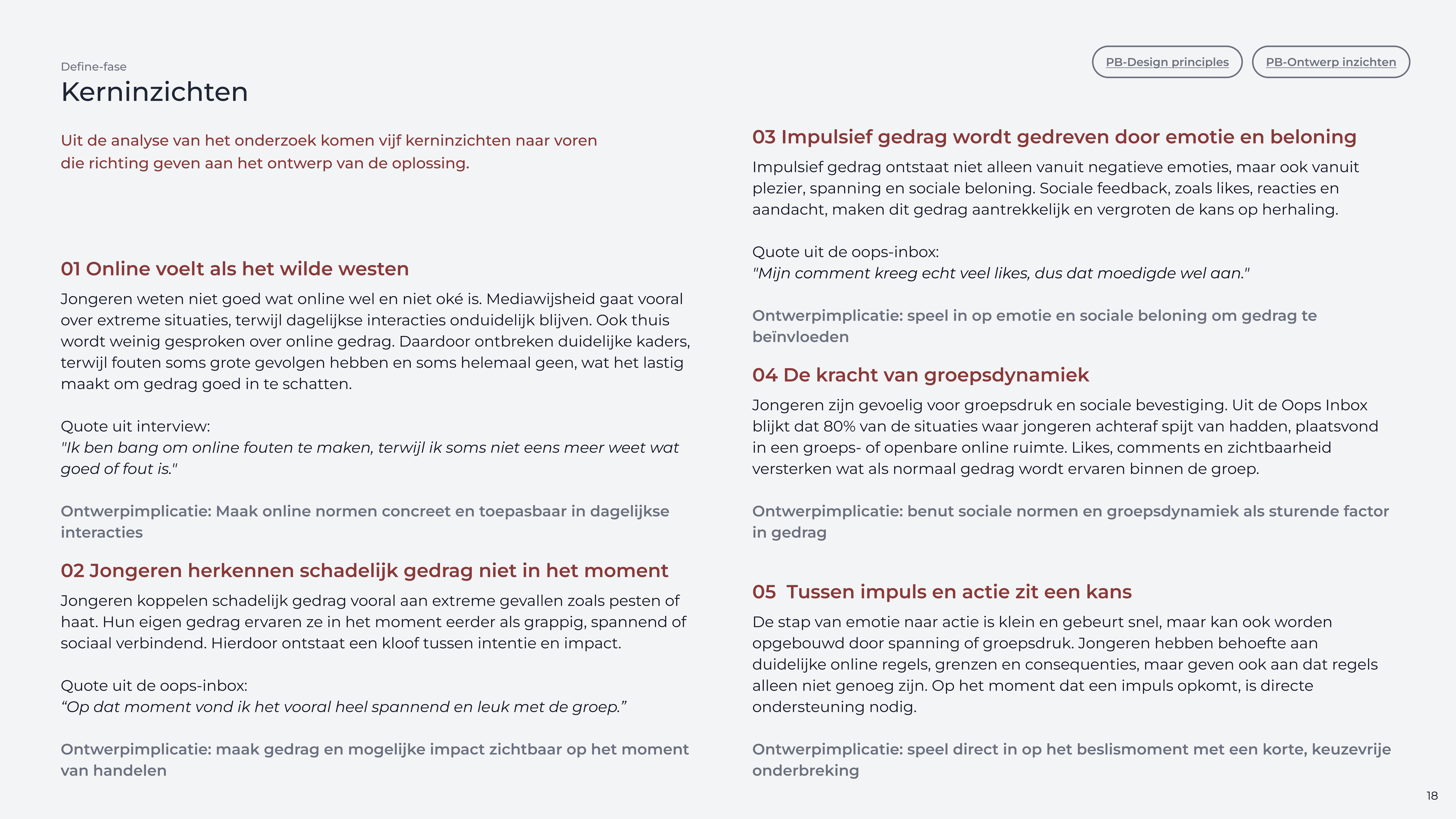
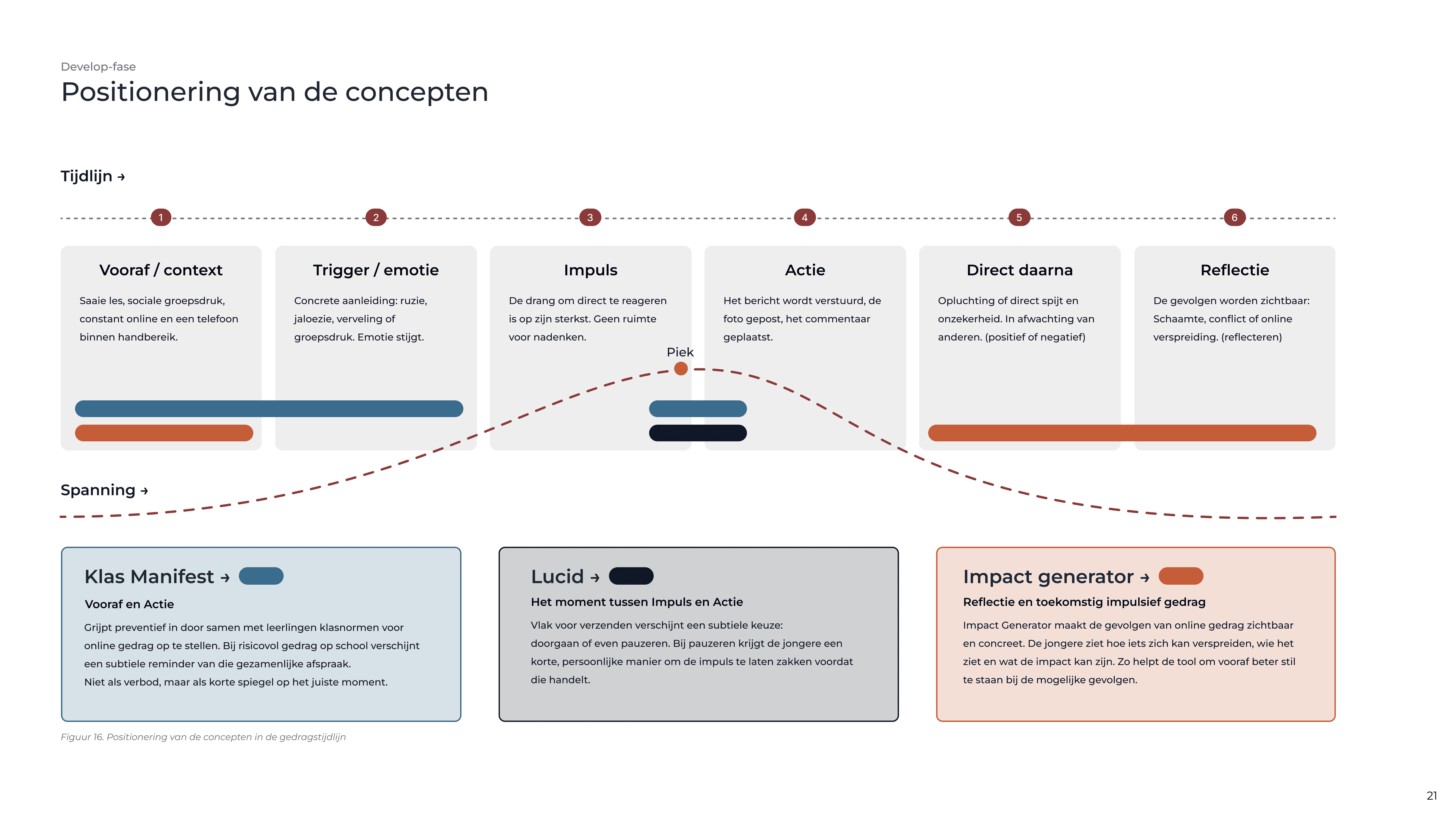
Research showed that impulsive harmful behaviour often happens in fast, emotional and social situations. Young people did not need another warning or set of rules, but brief support at the moment they were about to act. This made the space between impulse and action the central design opportunity.
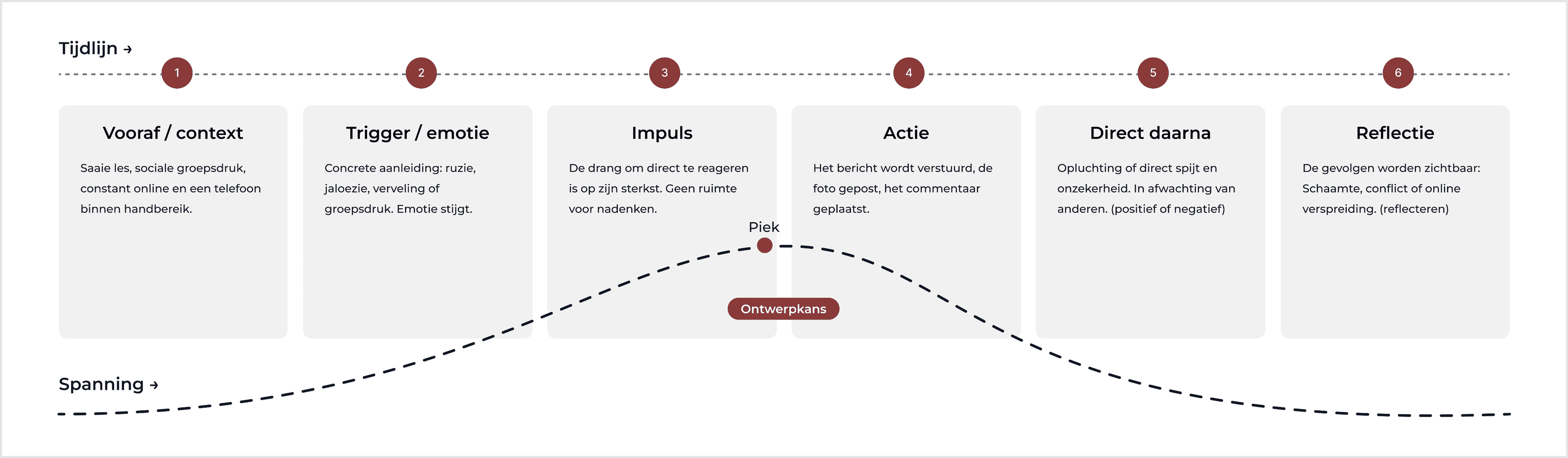
Digital solution: Lucid
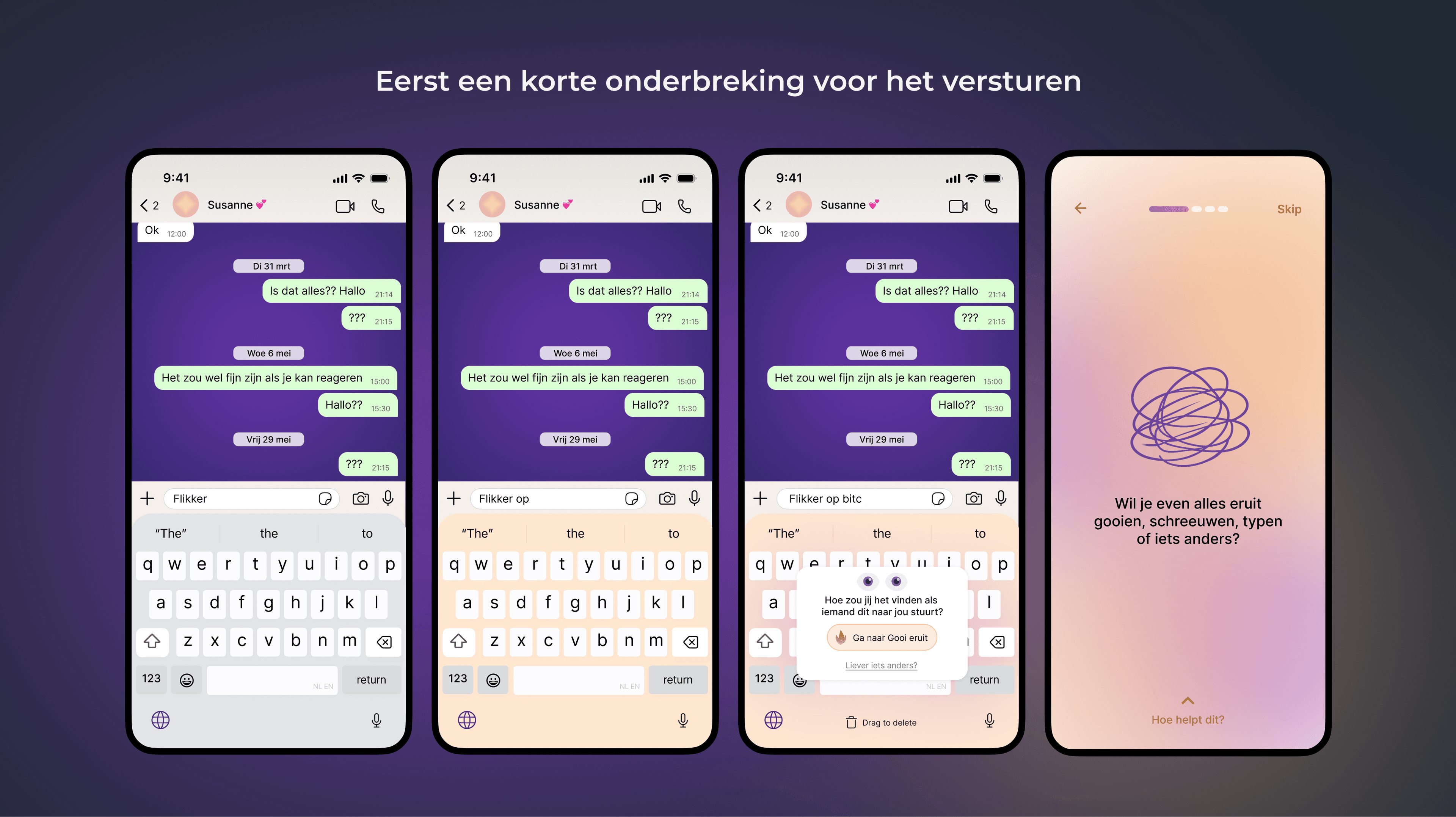
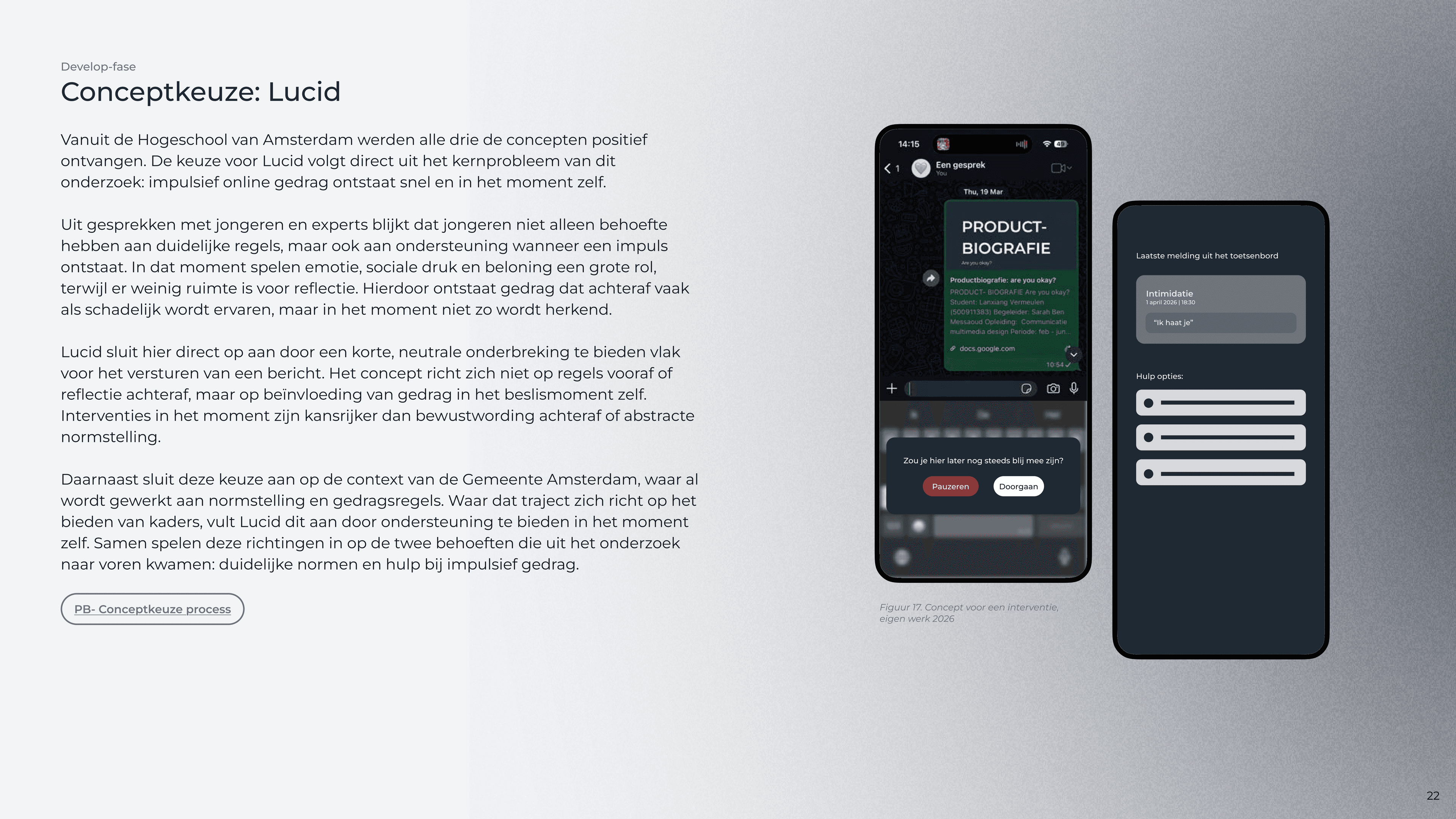
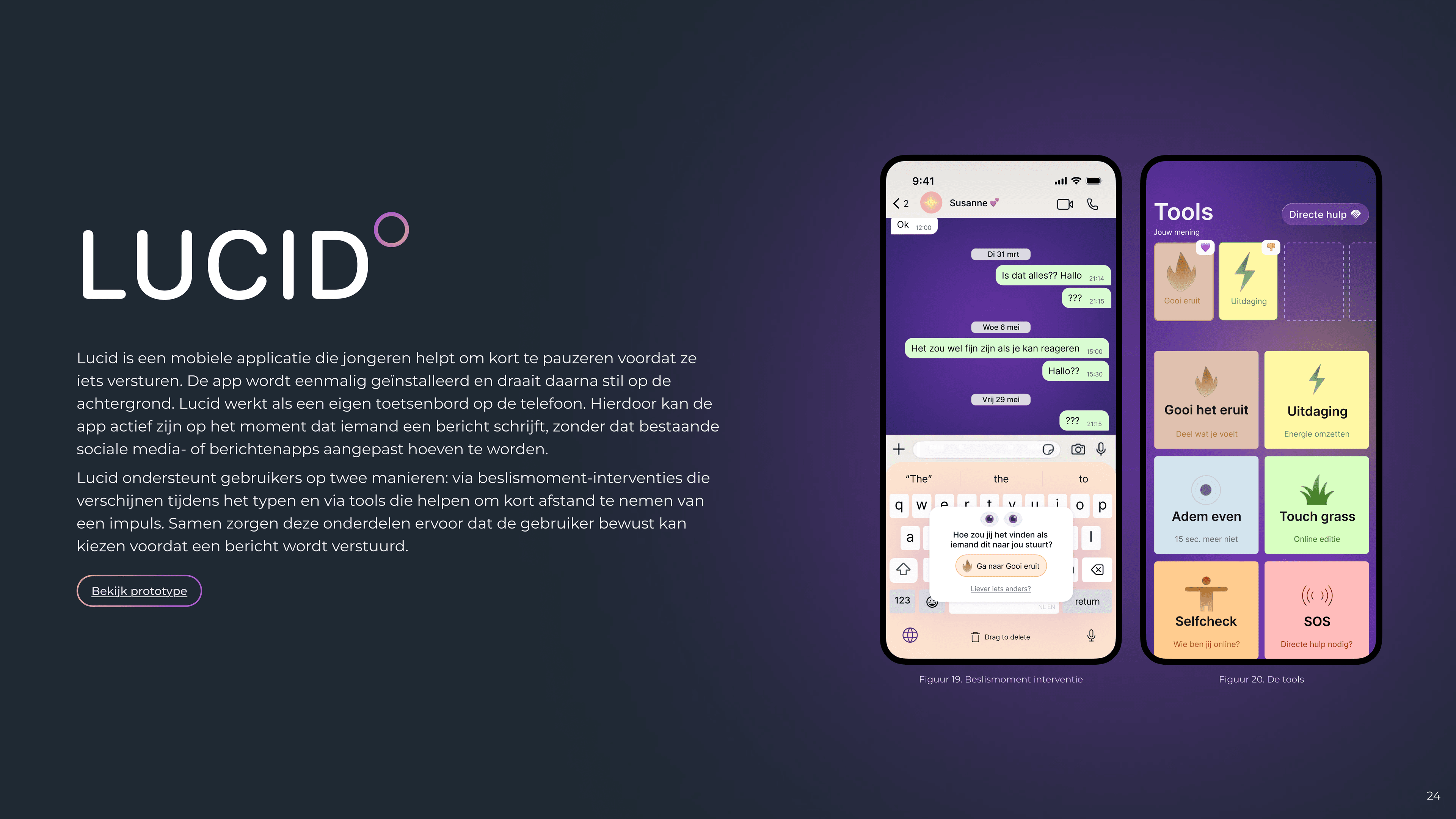
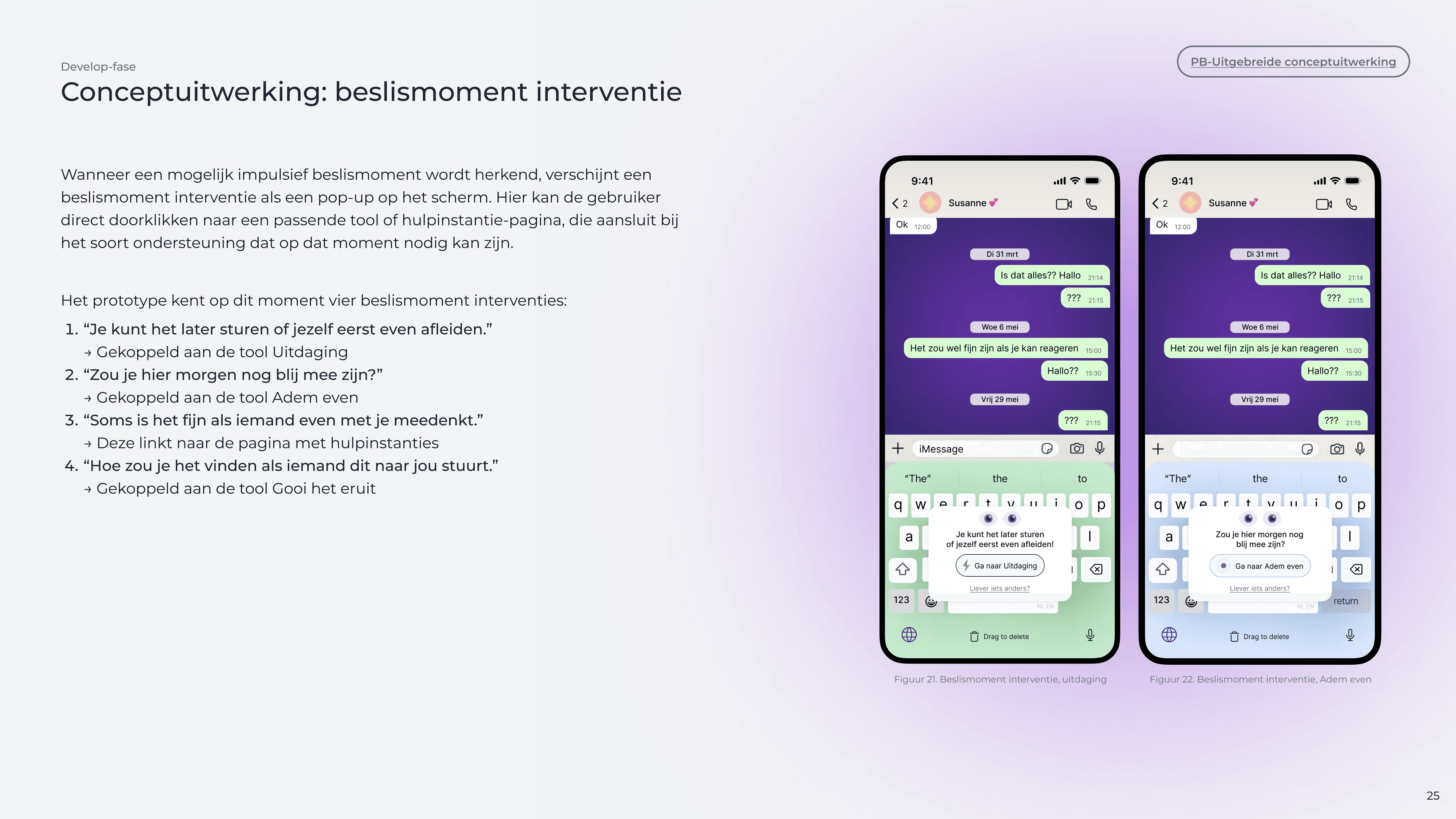
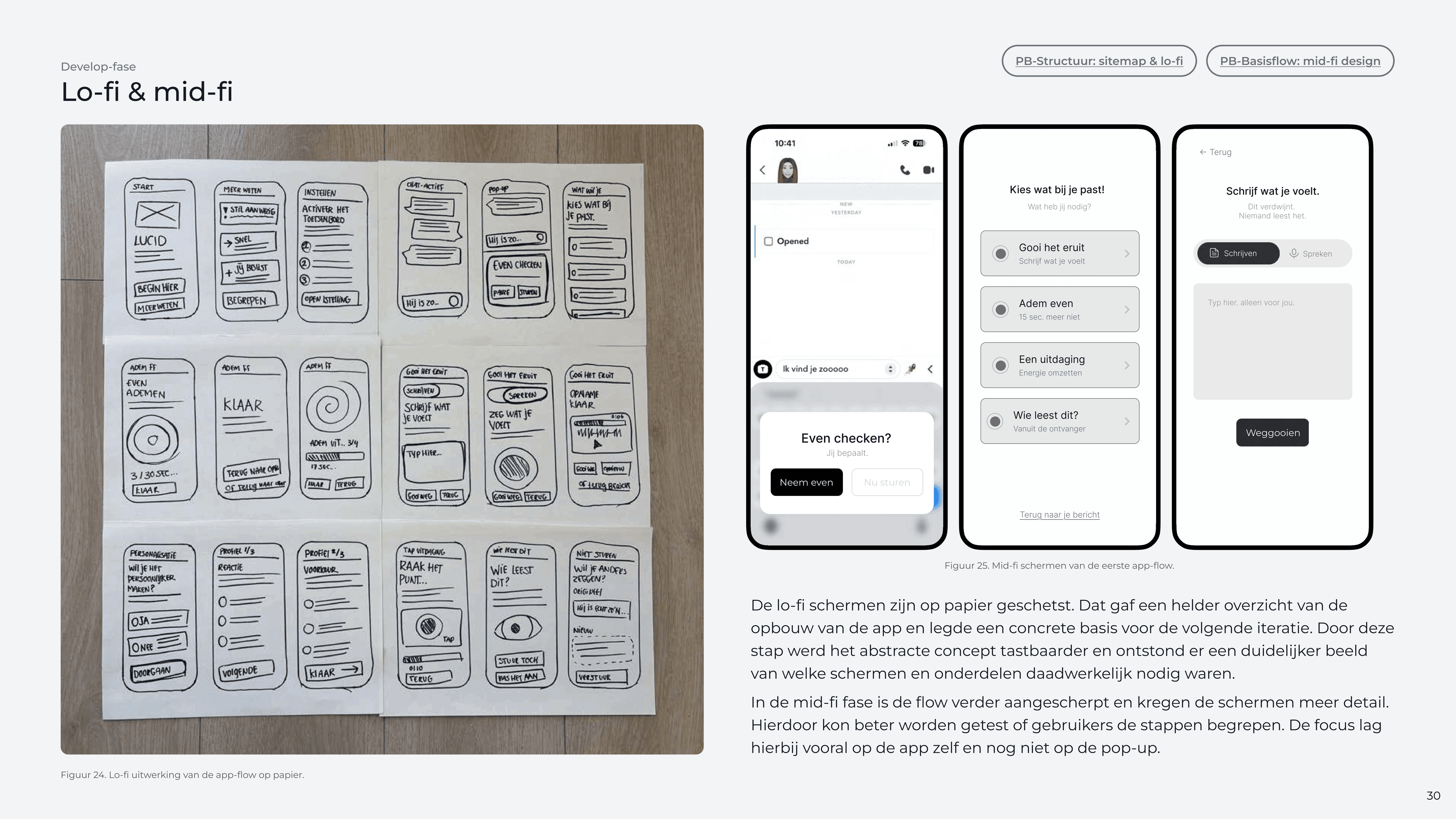
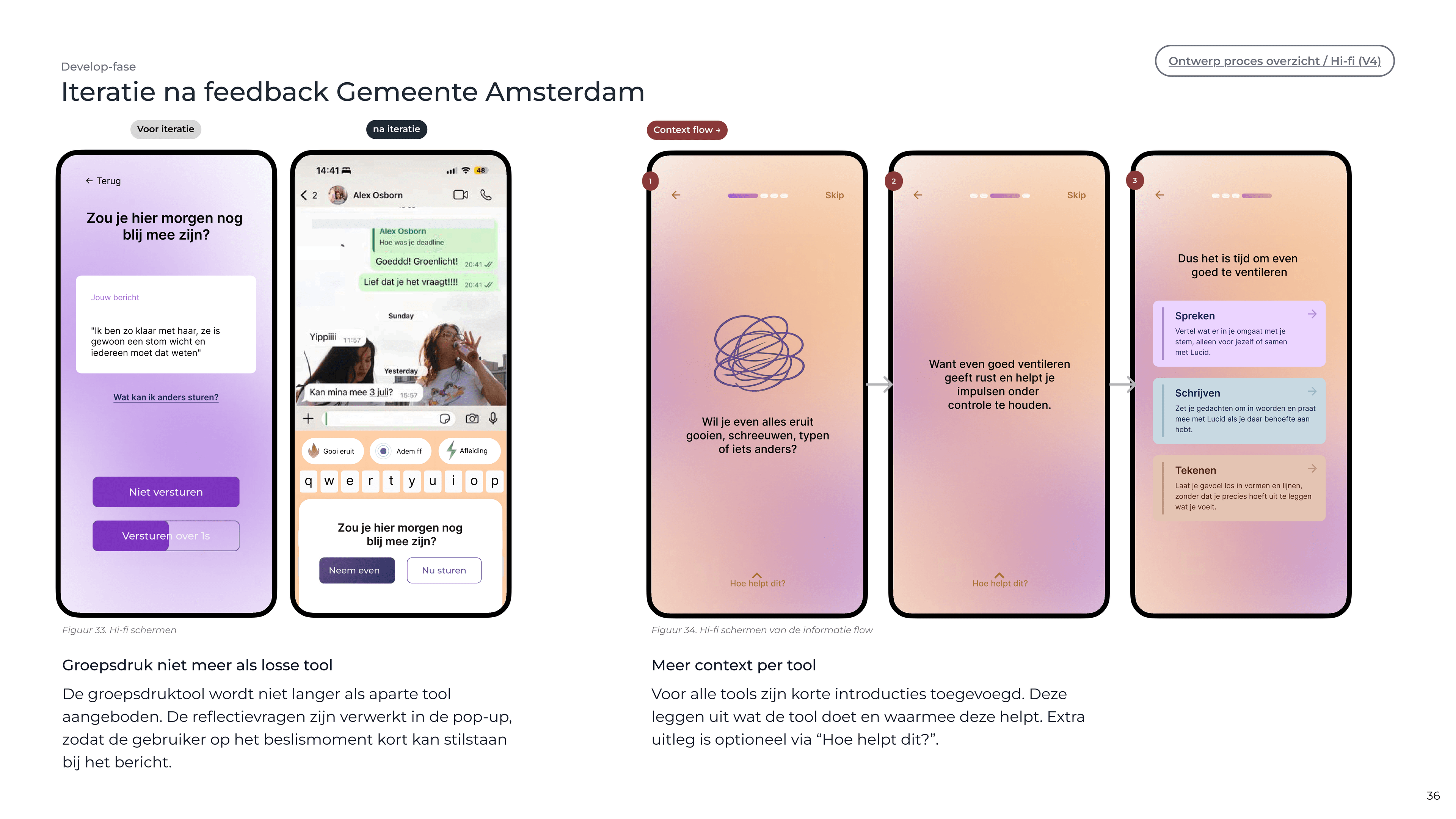
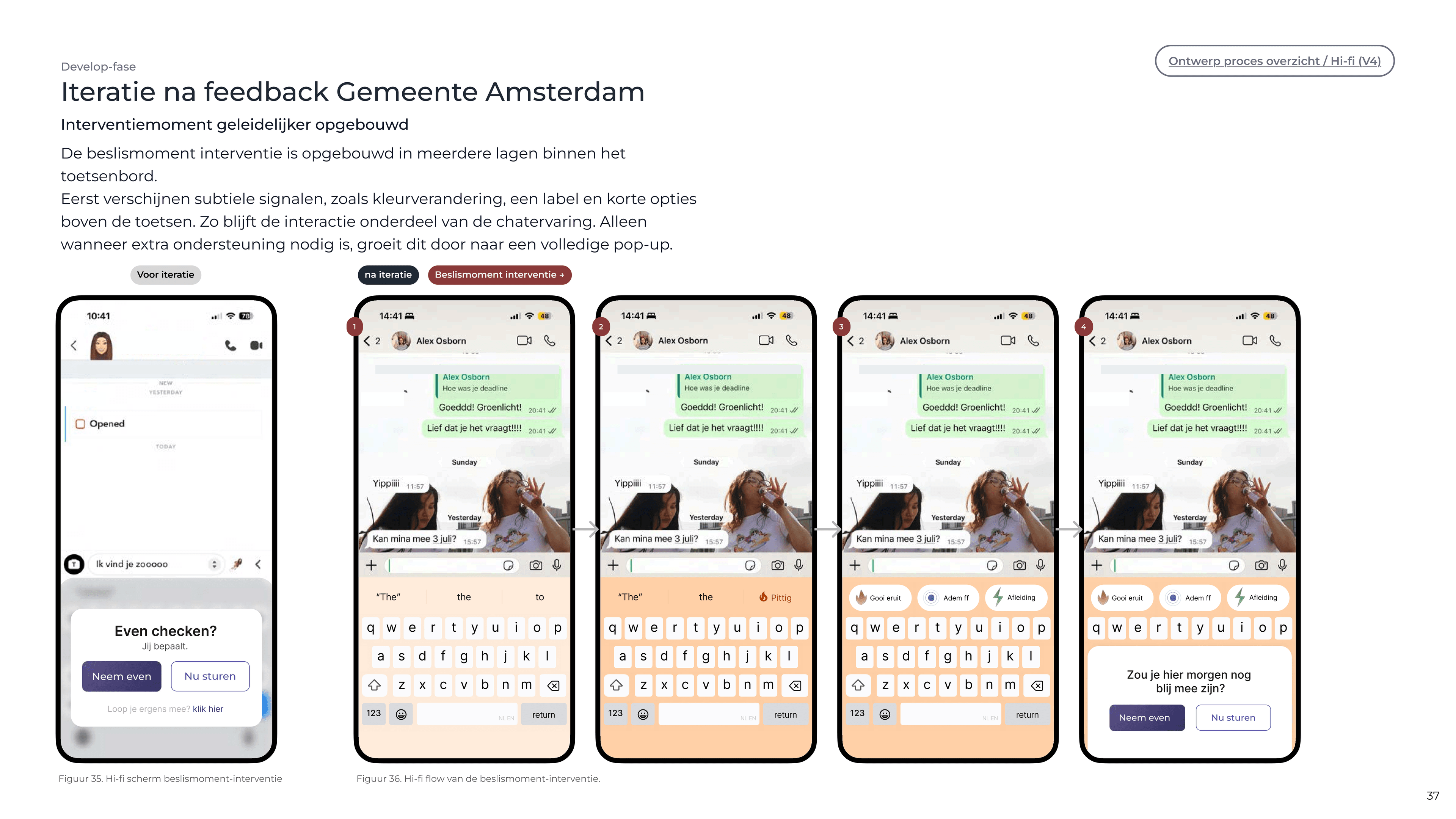
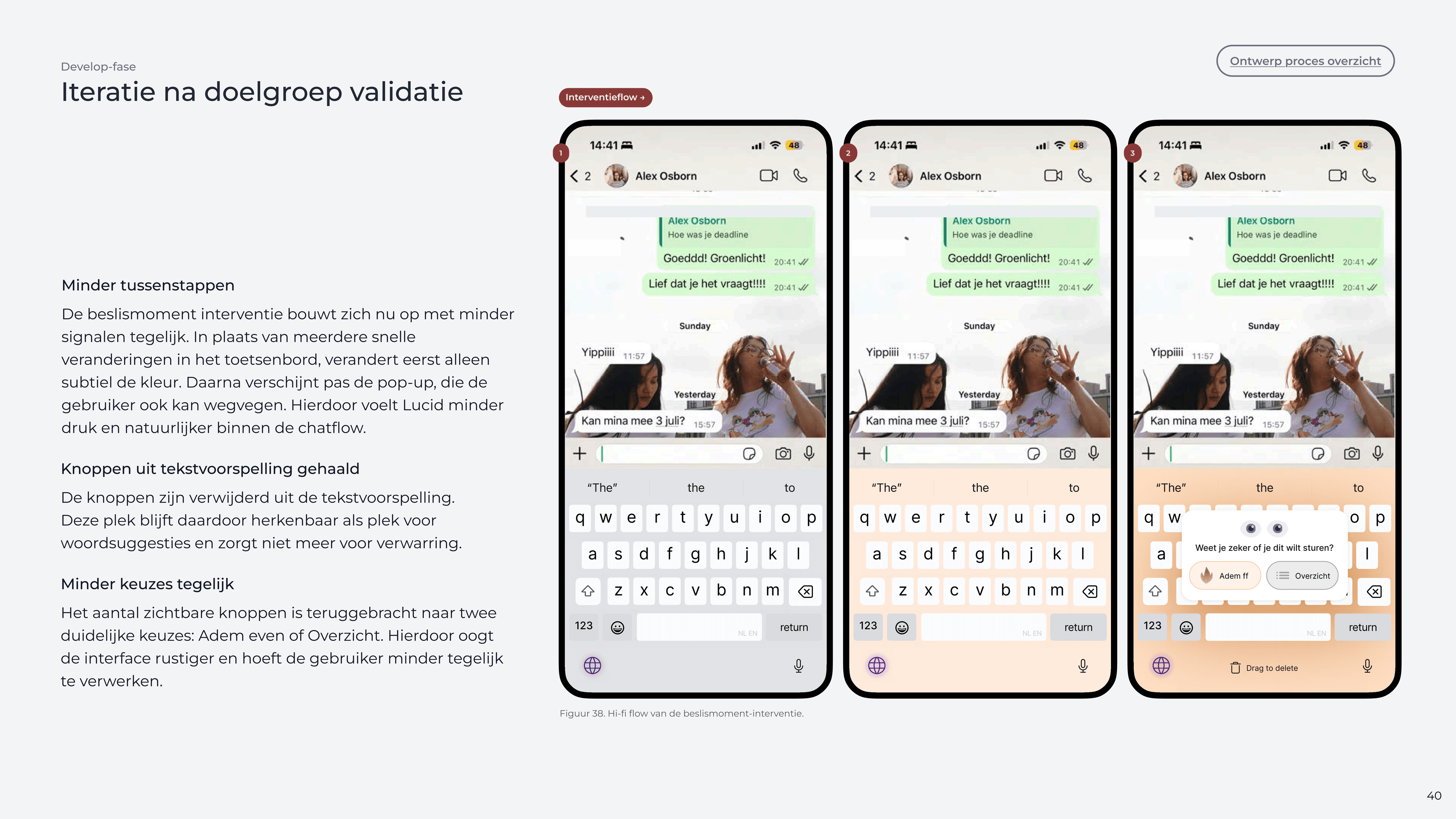
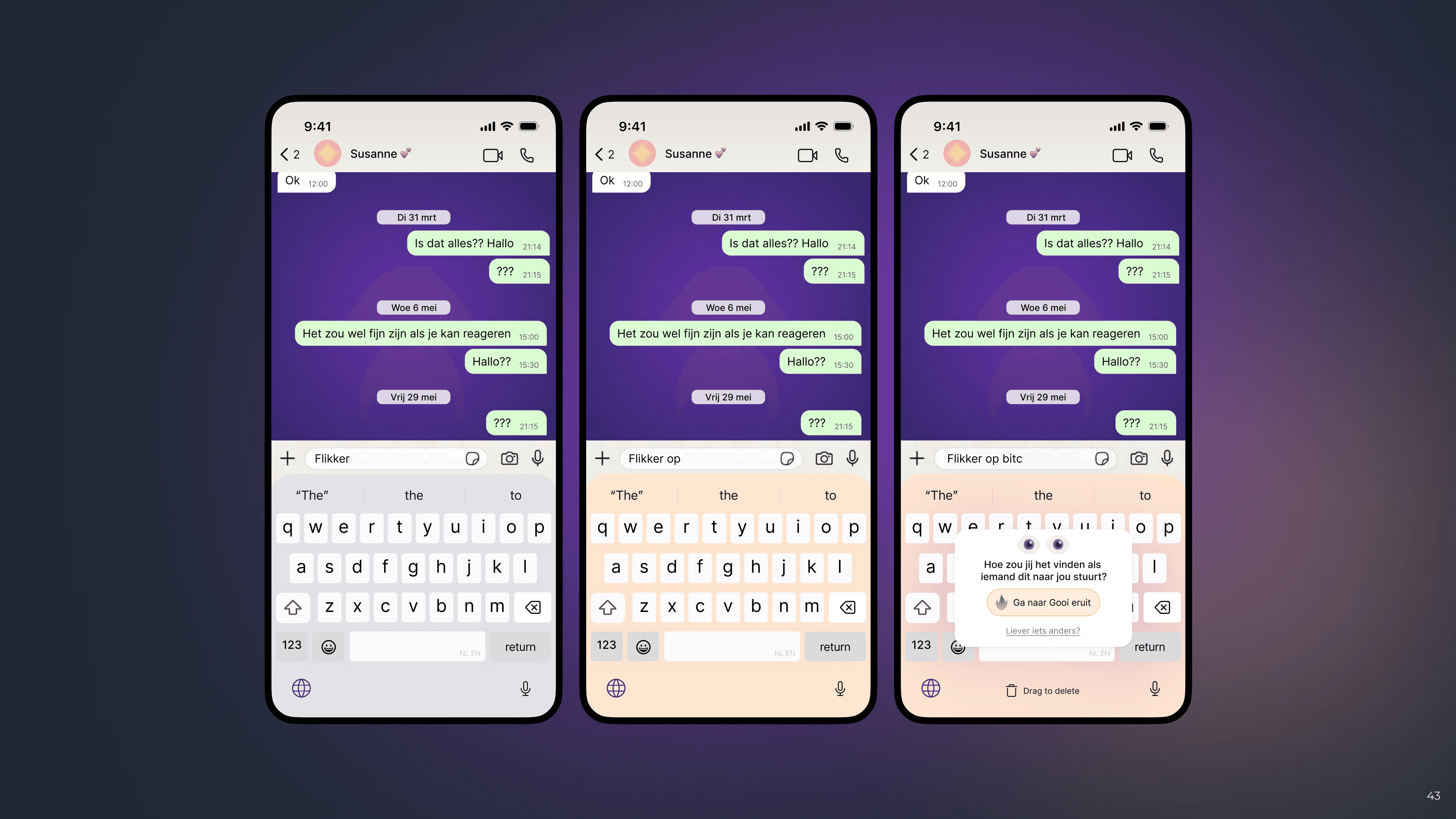
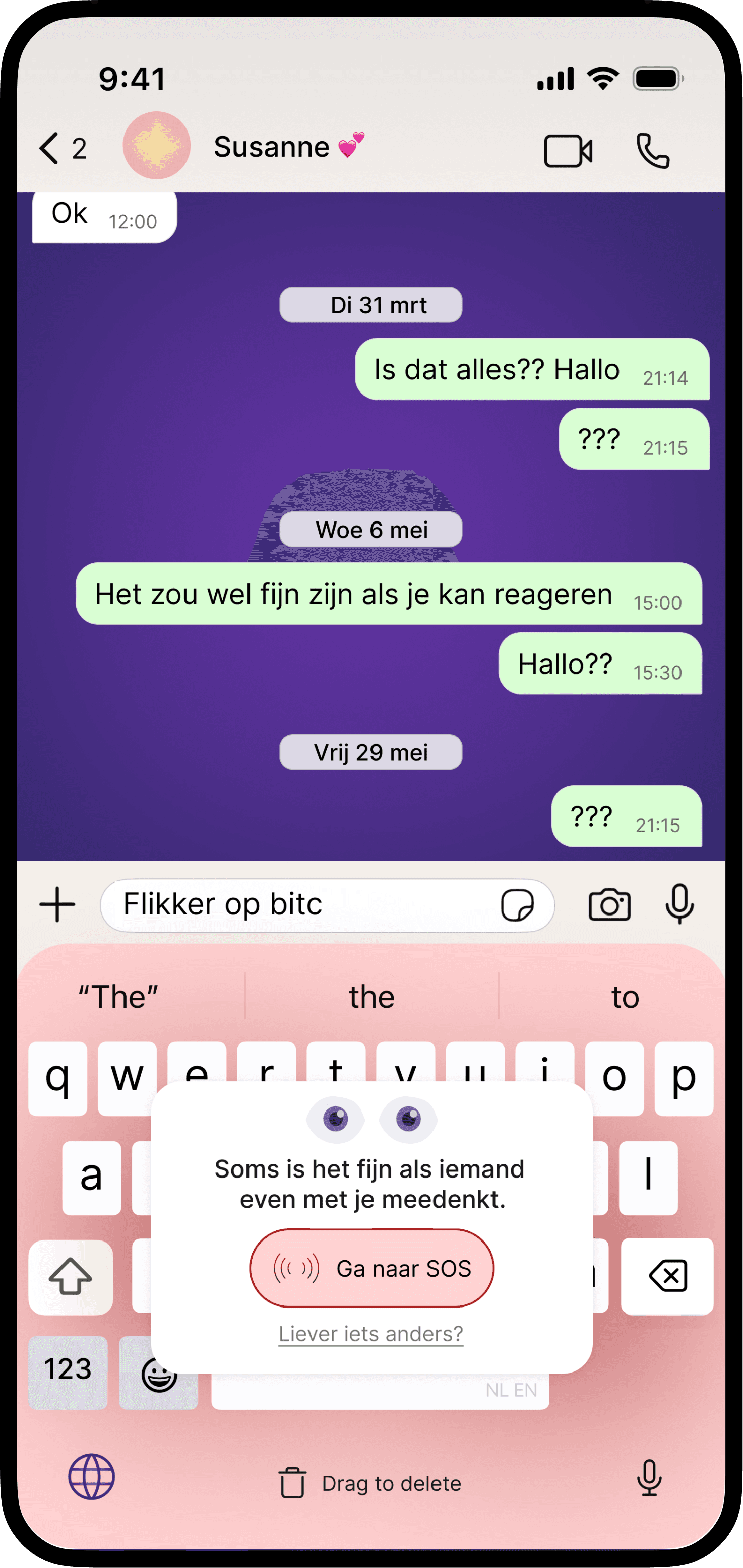
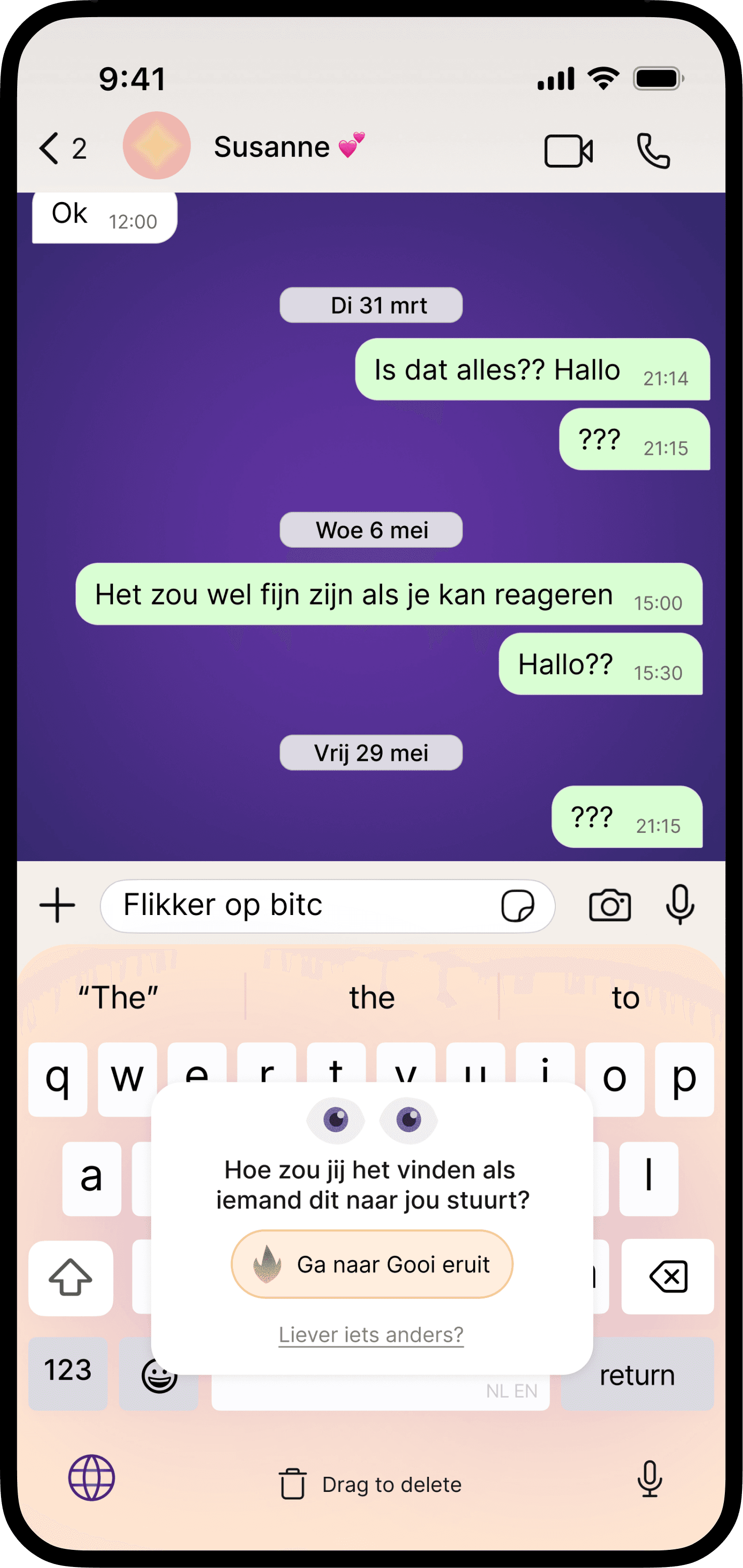
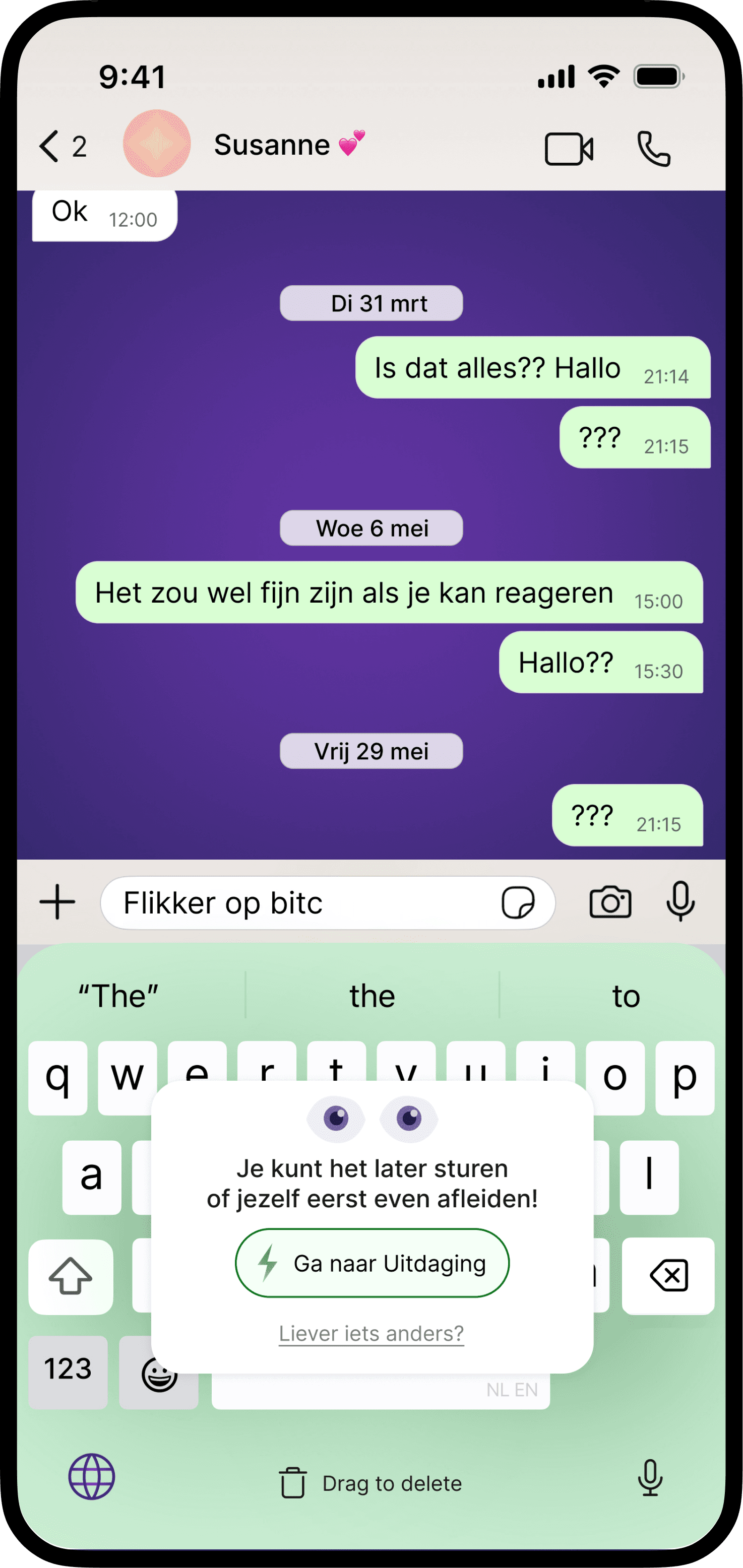
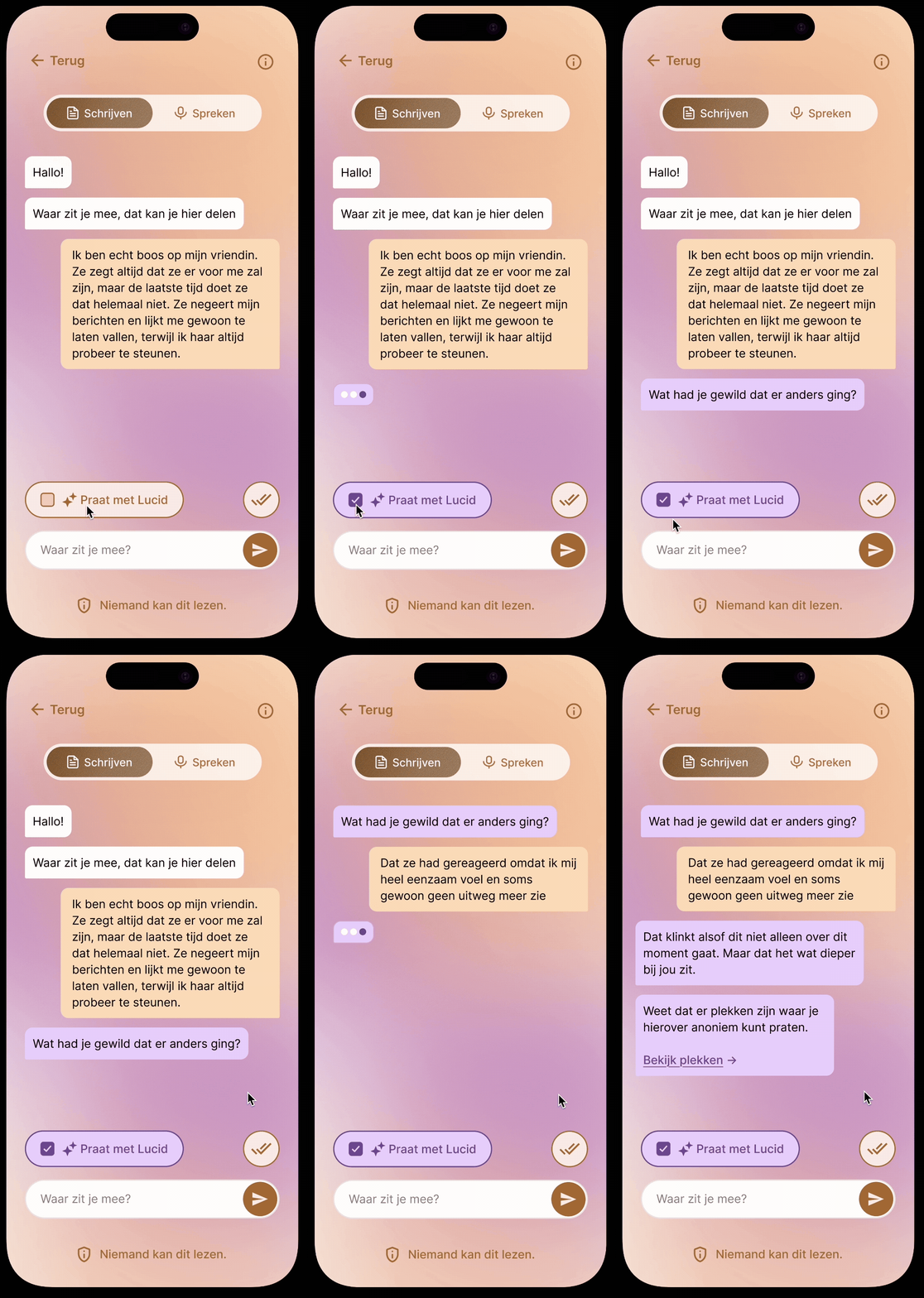
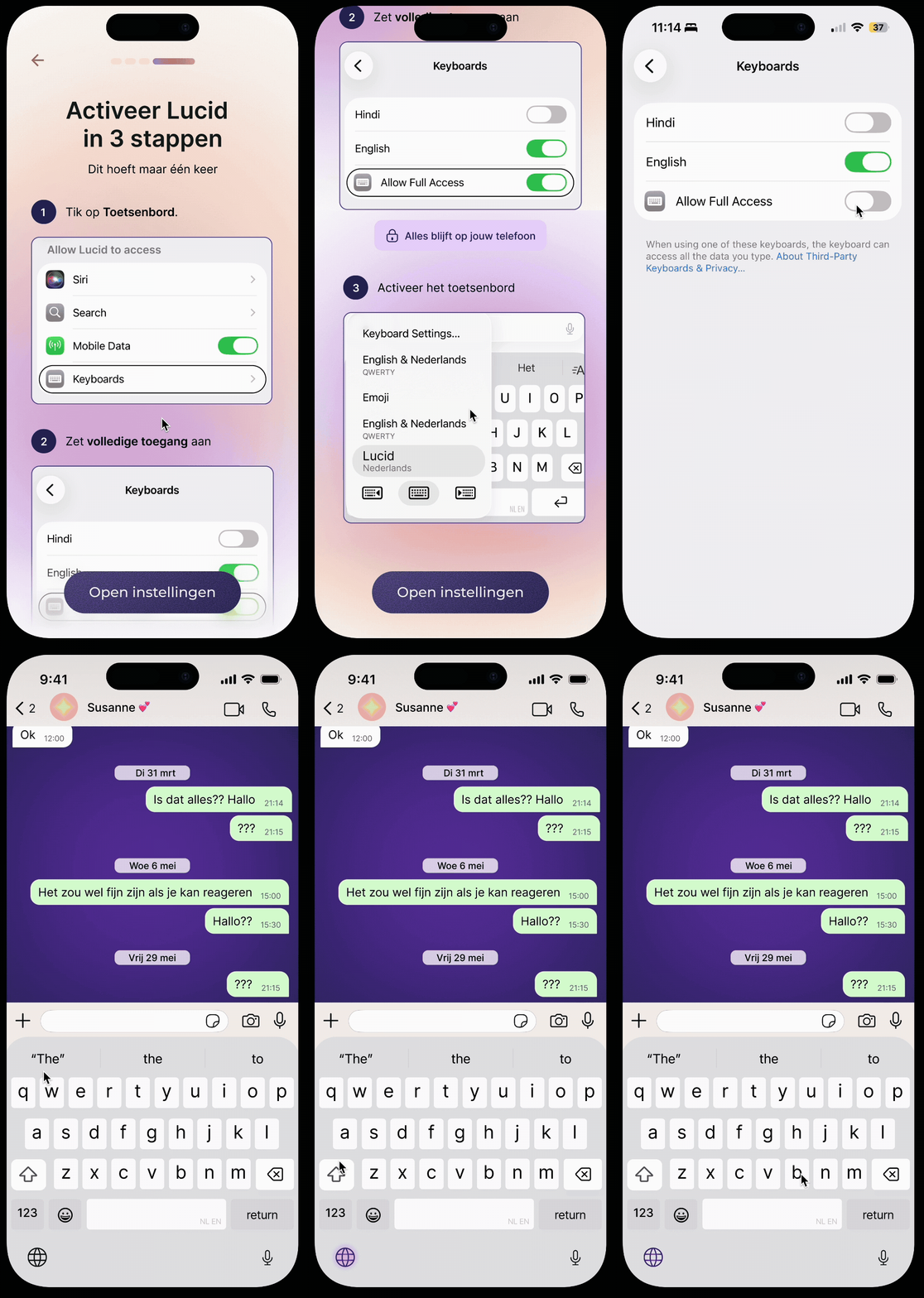
Lucid works through a custom keyboard and remains in the background while the user is typing. When signs of an impulsive moment are recognised, it introduces a short reflection question before the message is sent.
The user can continue, pause or choose a short exercise that helps create distance from the impulse. Lucid never blocks, removes or changes a message. The final decision always remains with the user.
View productvideo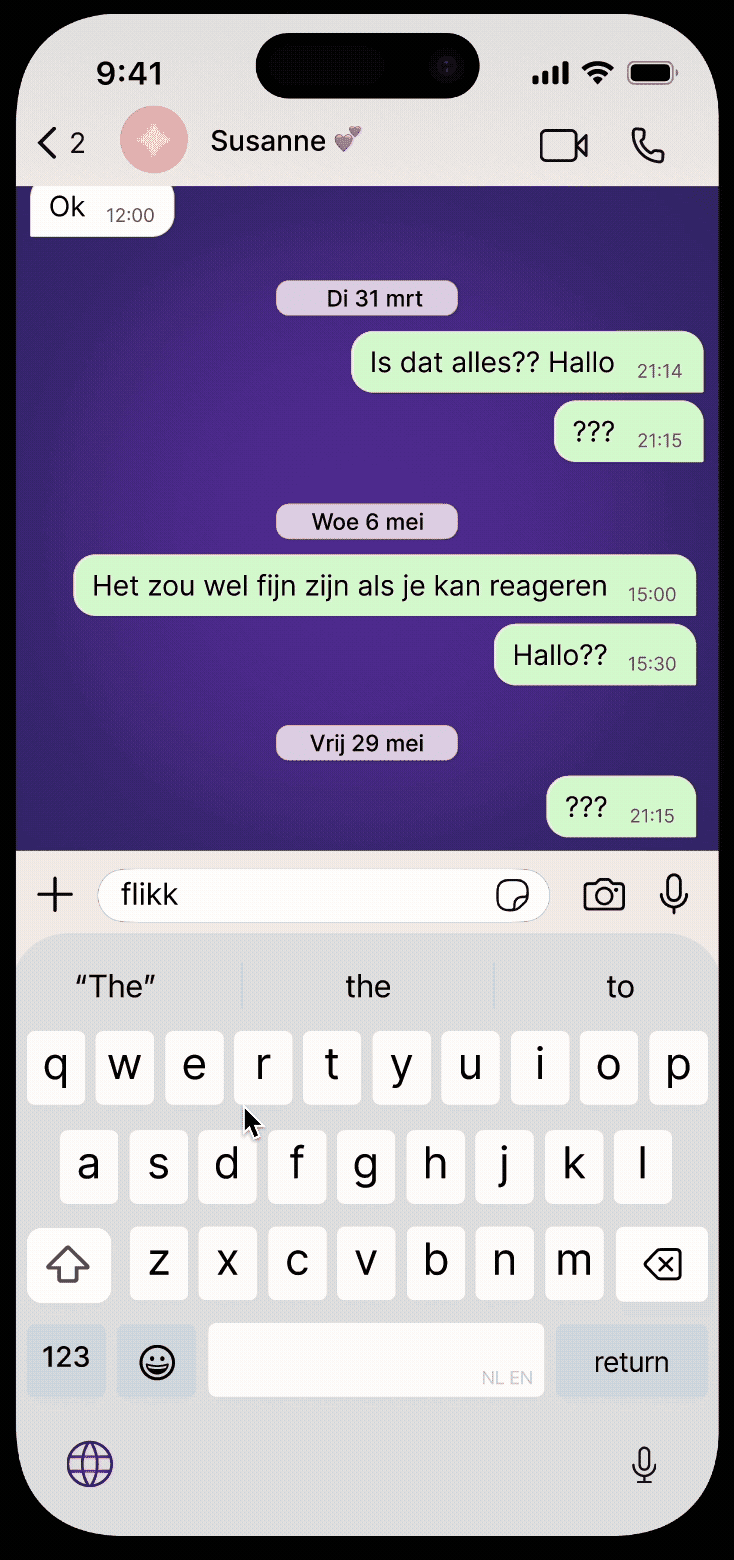
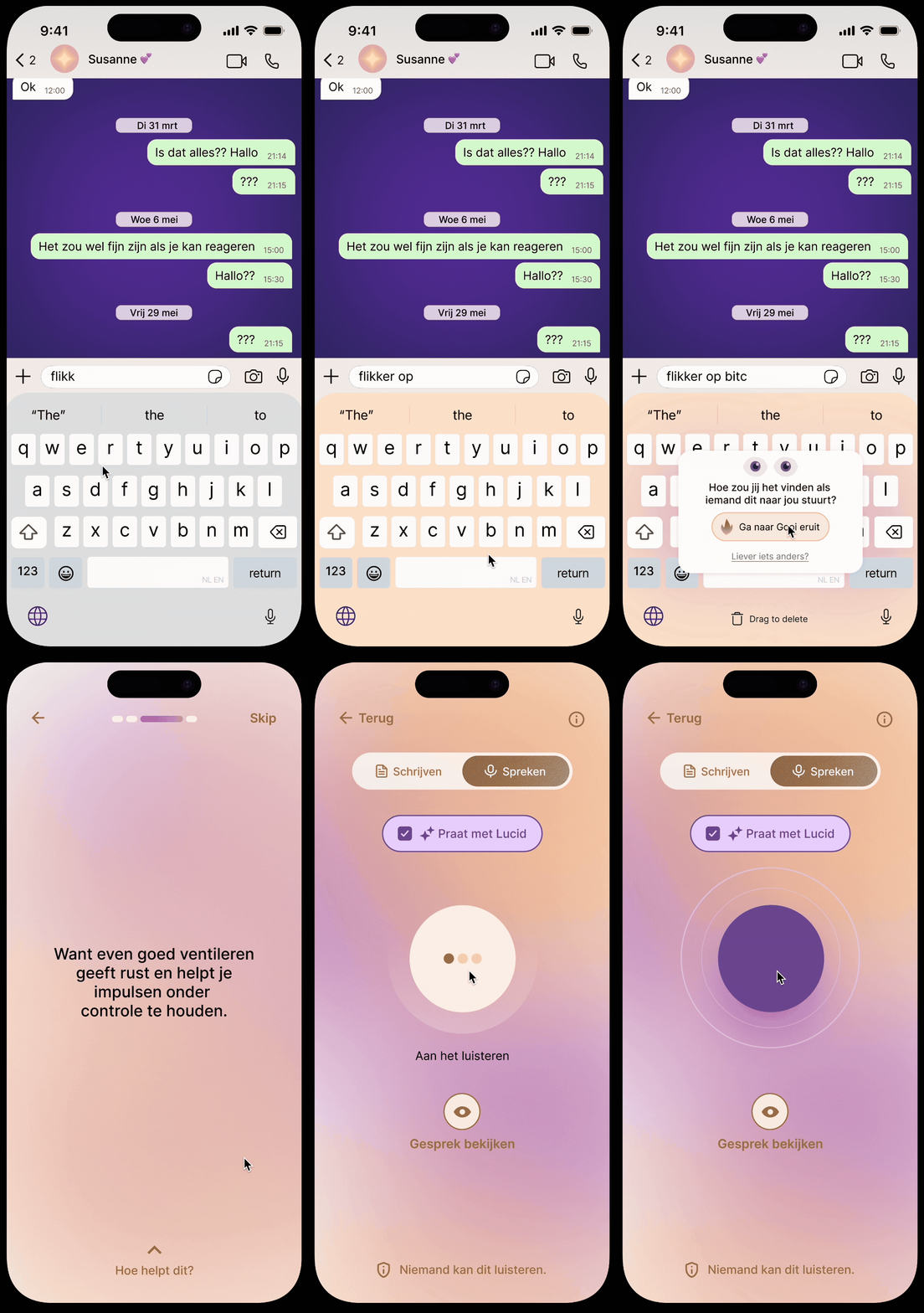
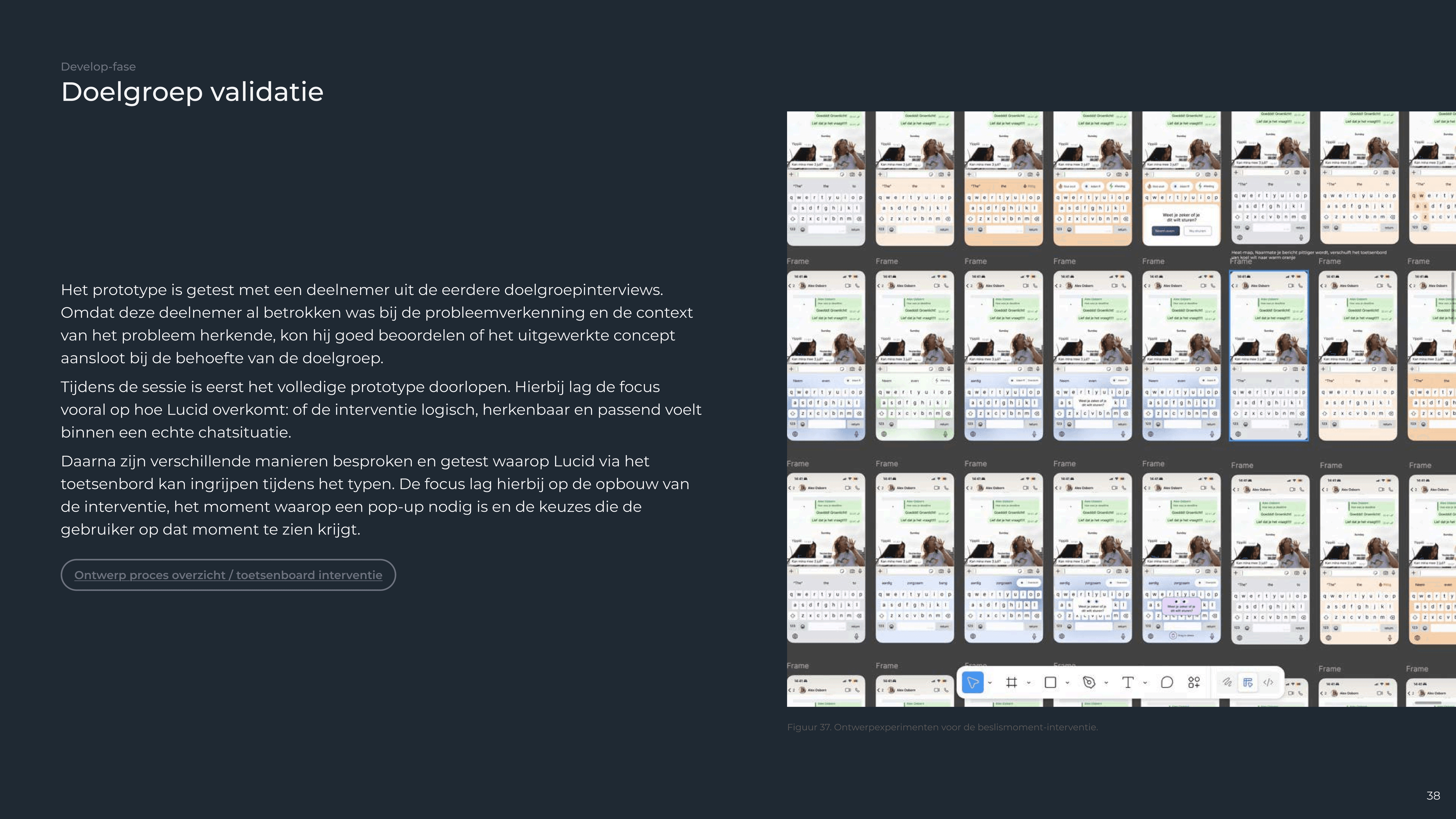
Decision-moment intervention variations
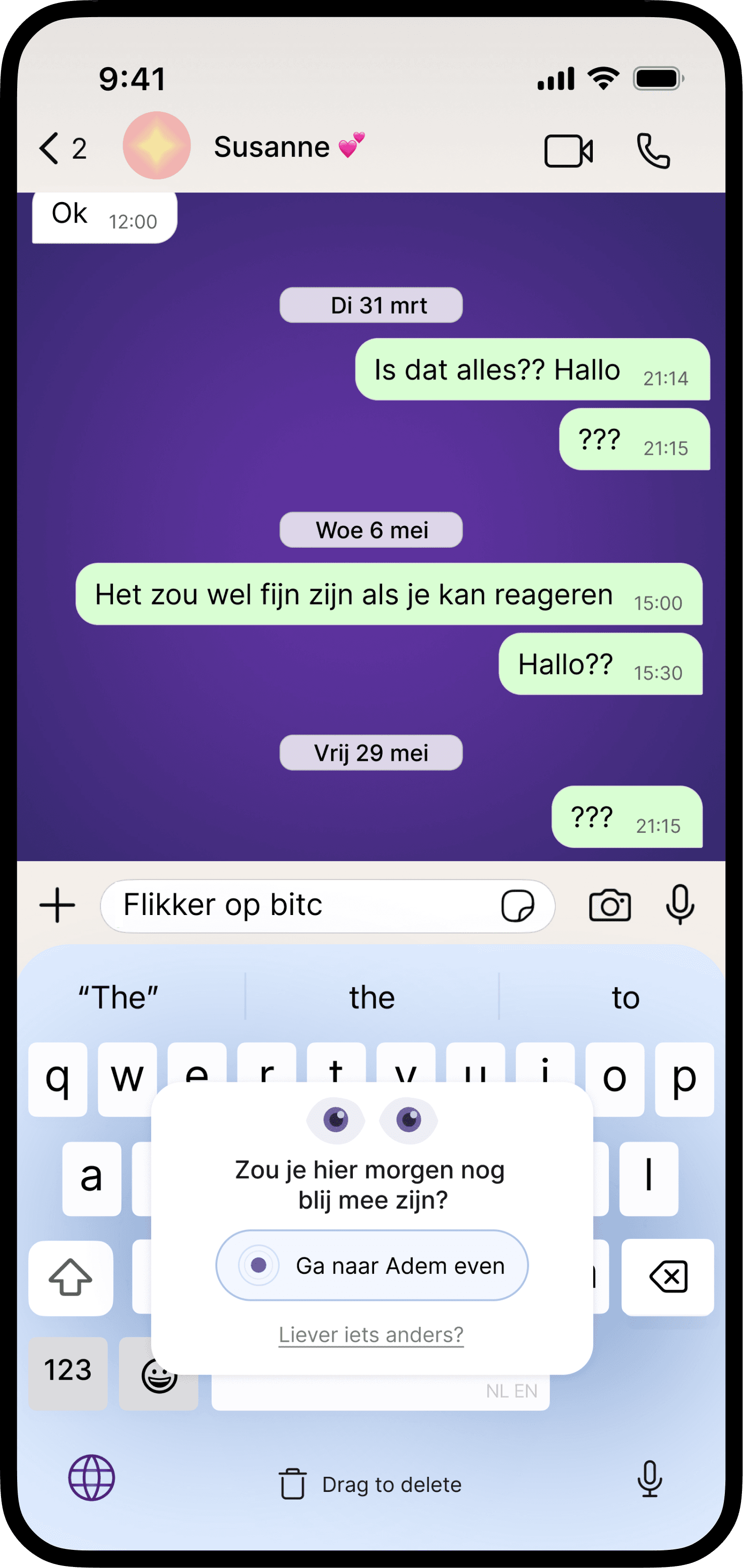
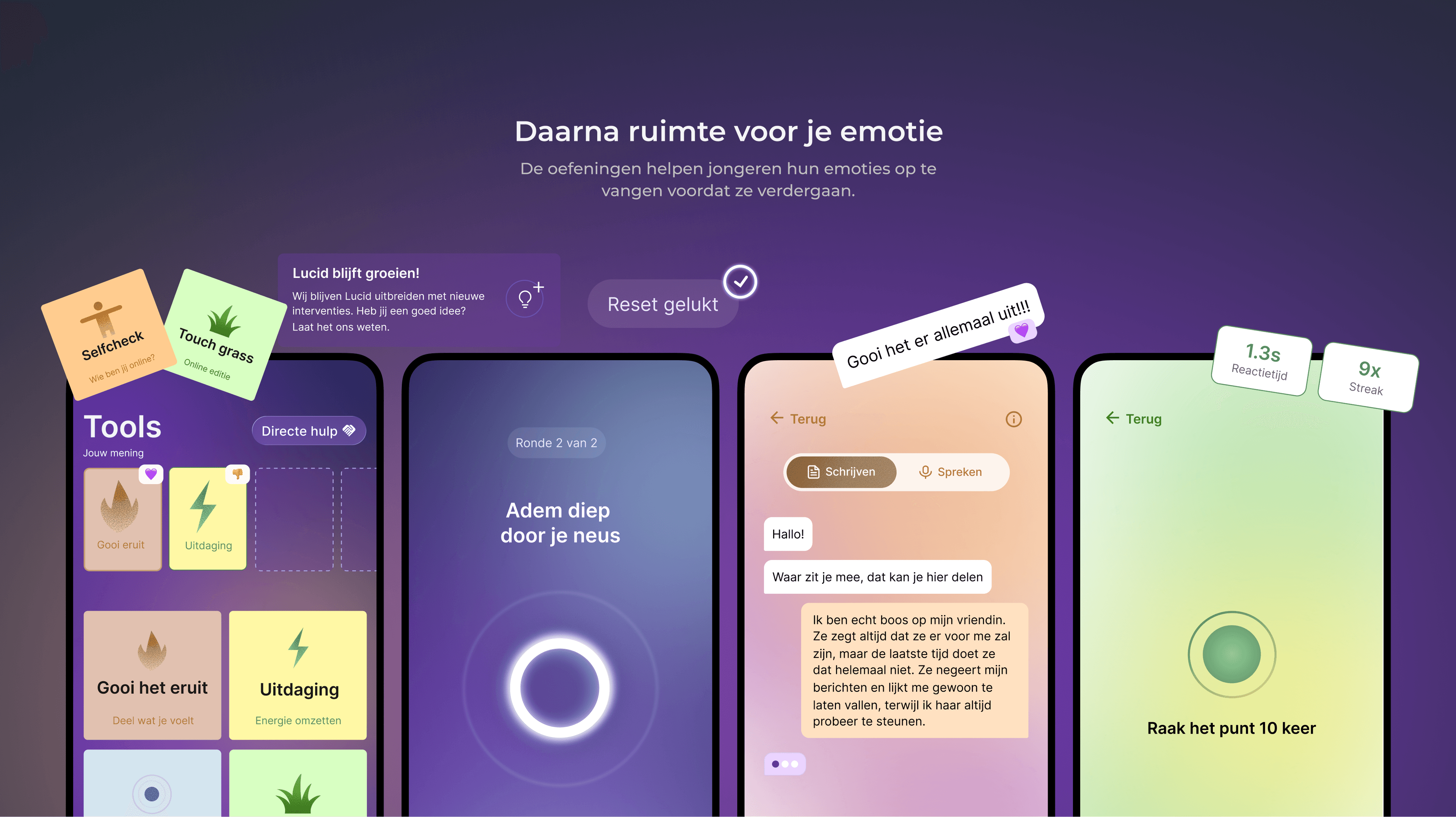
Choose what helps
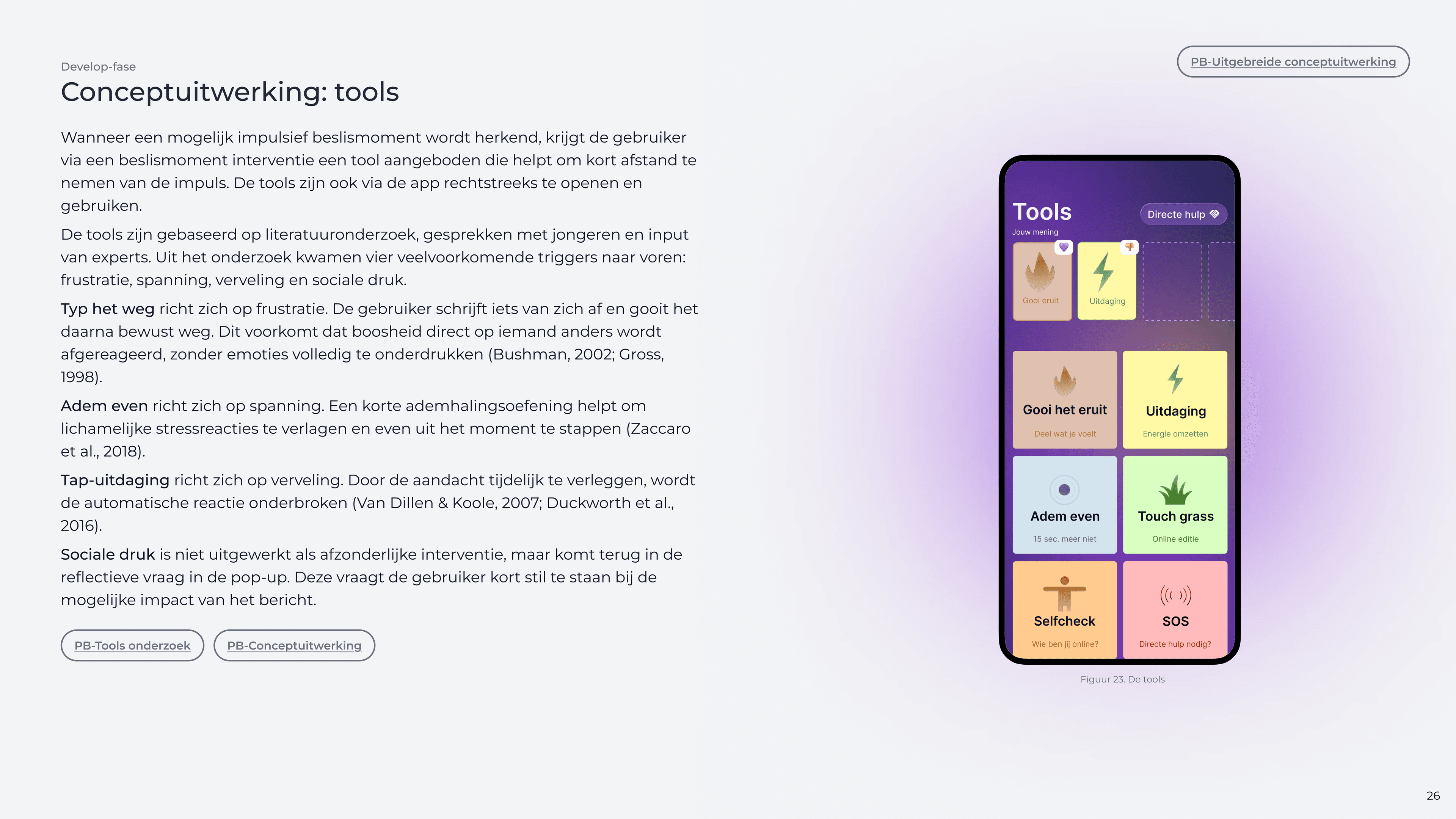
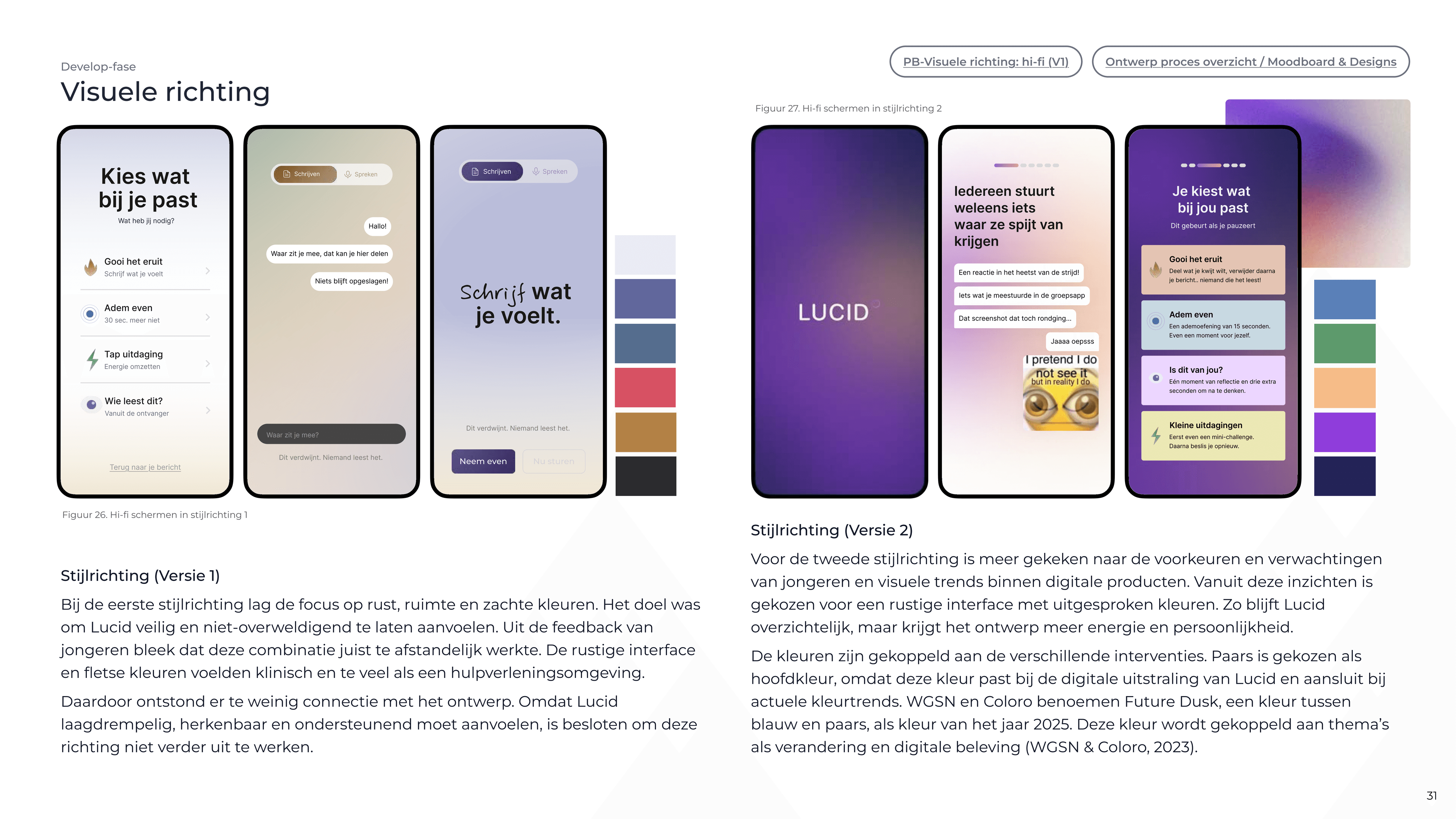
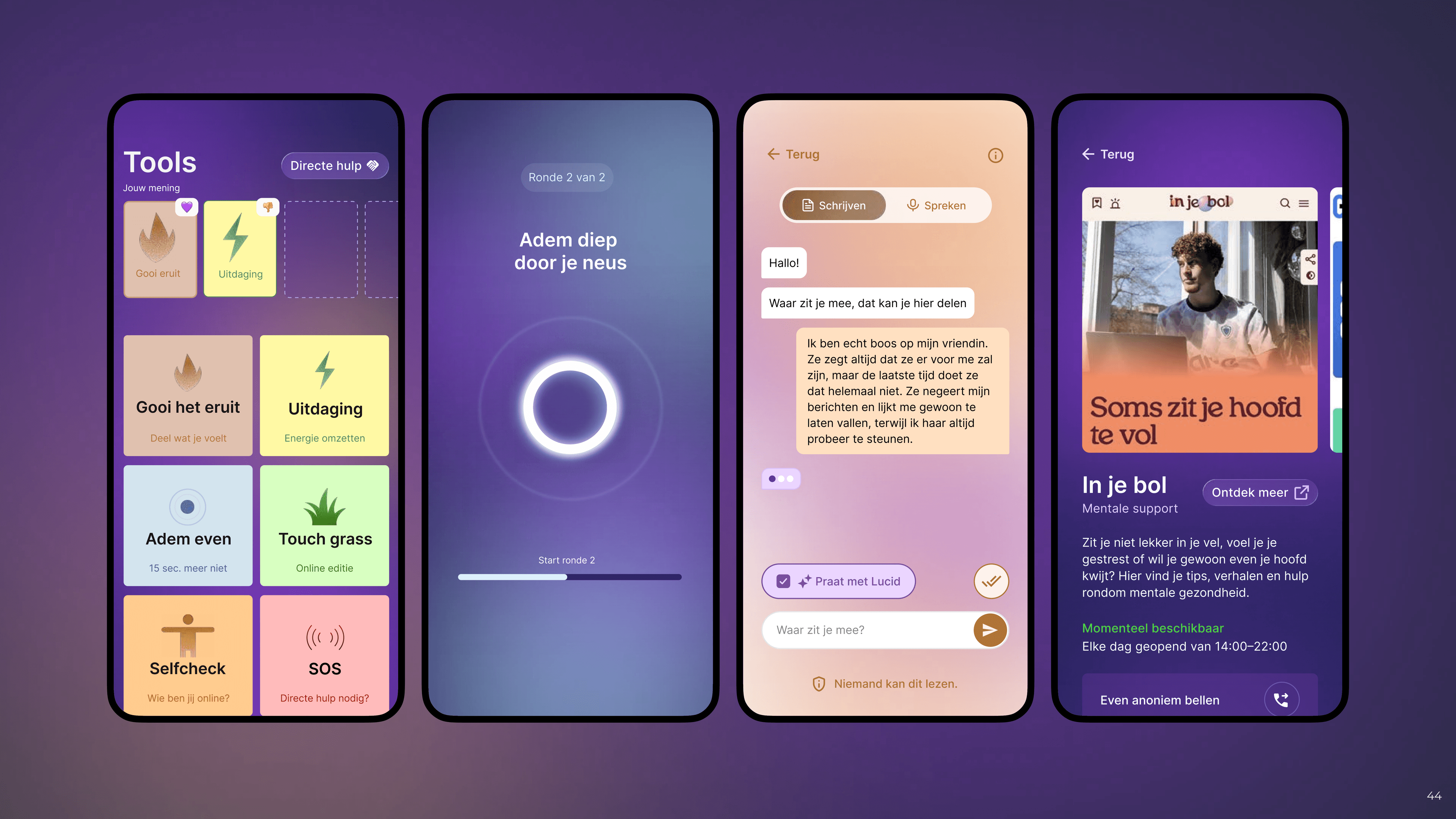
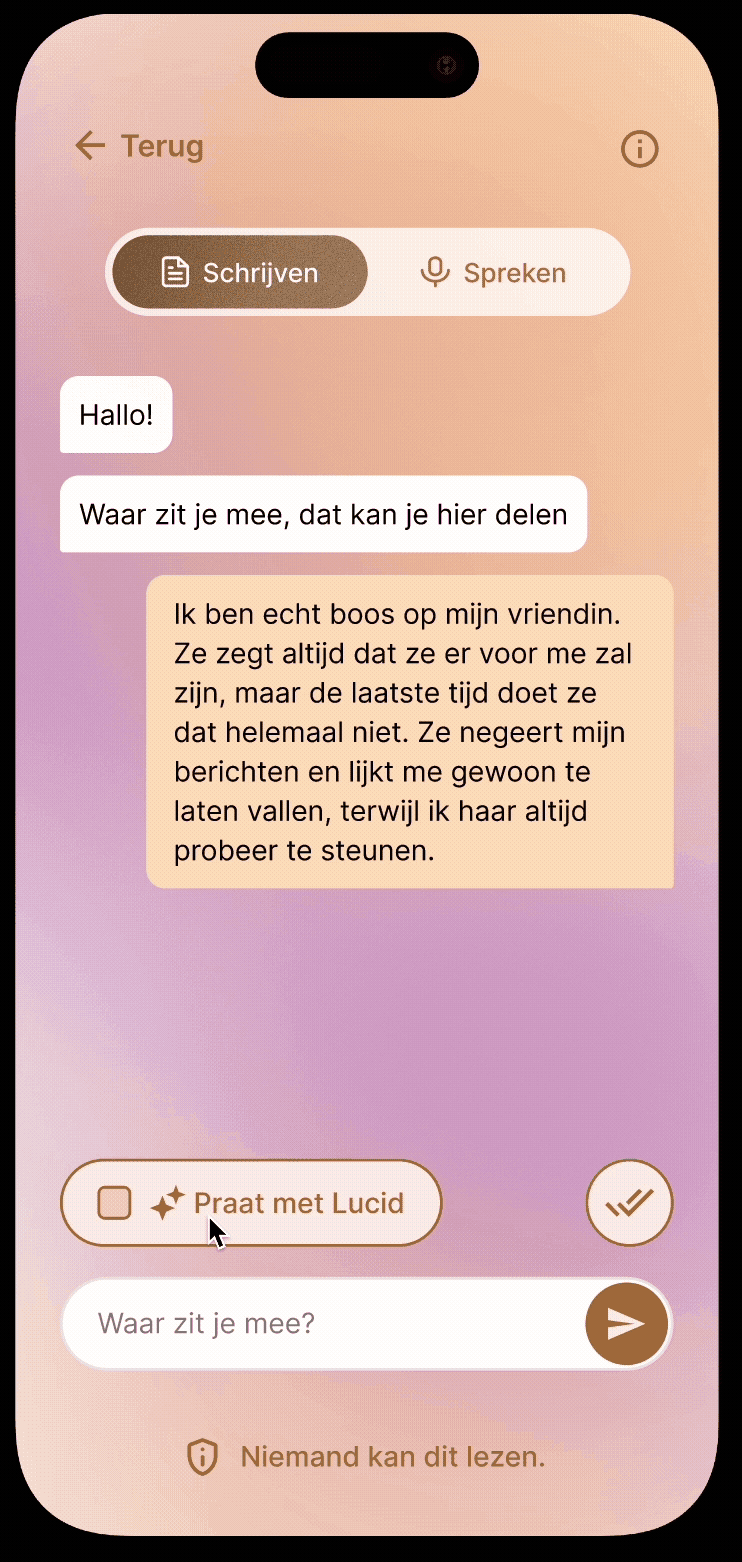
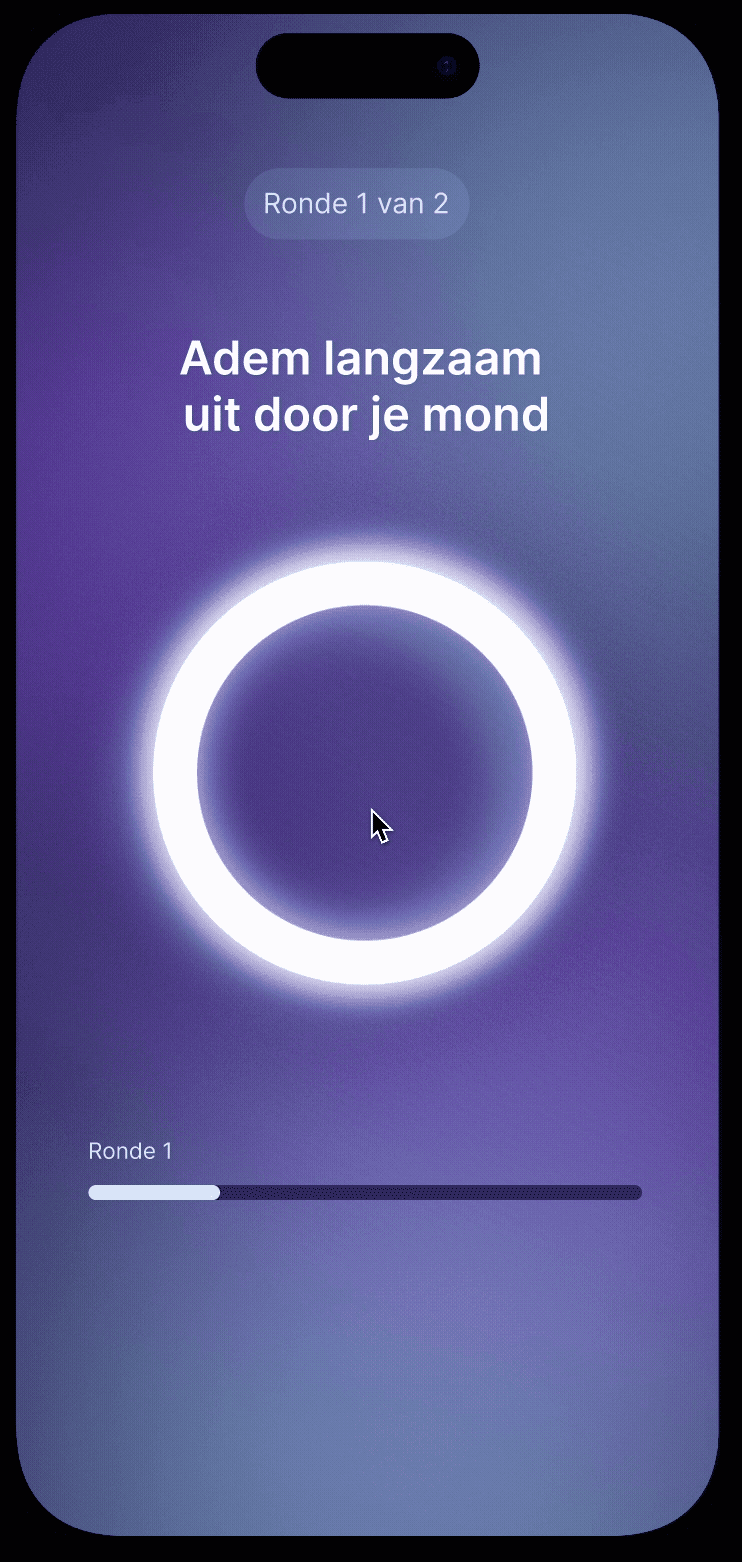
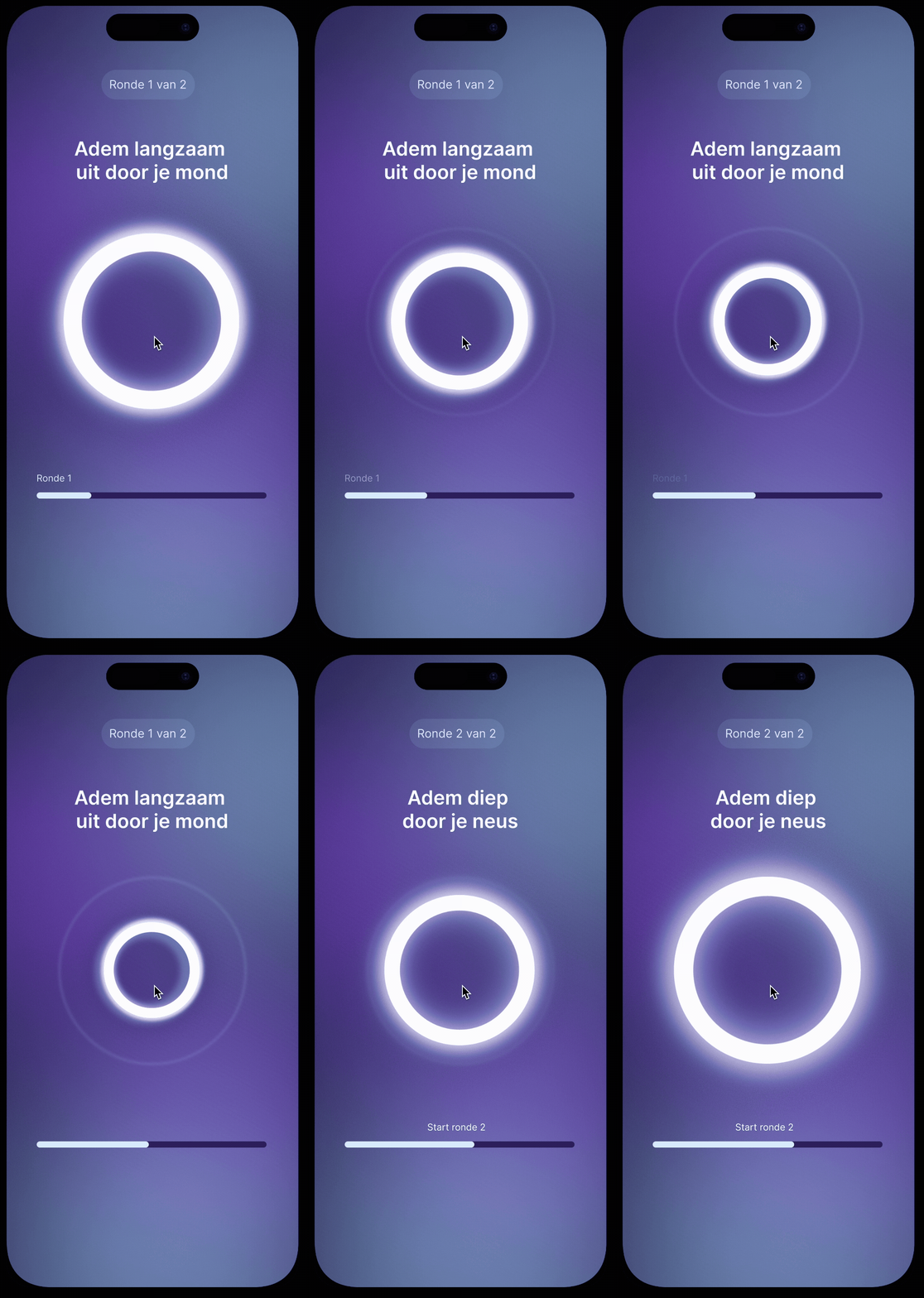
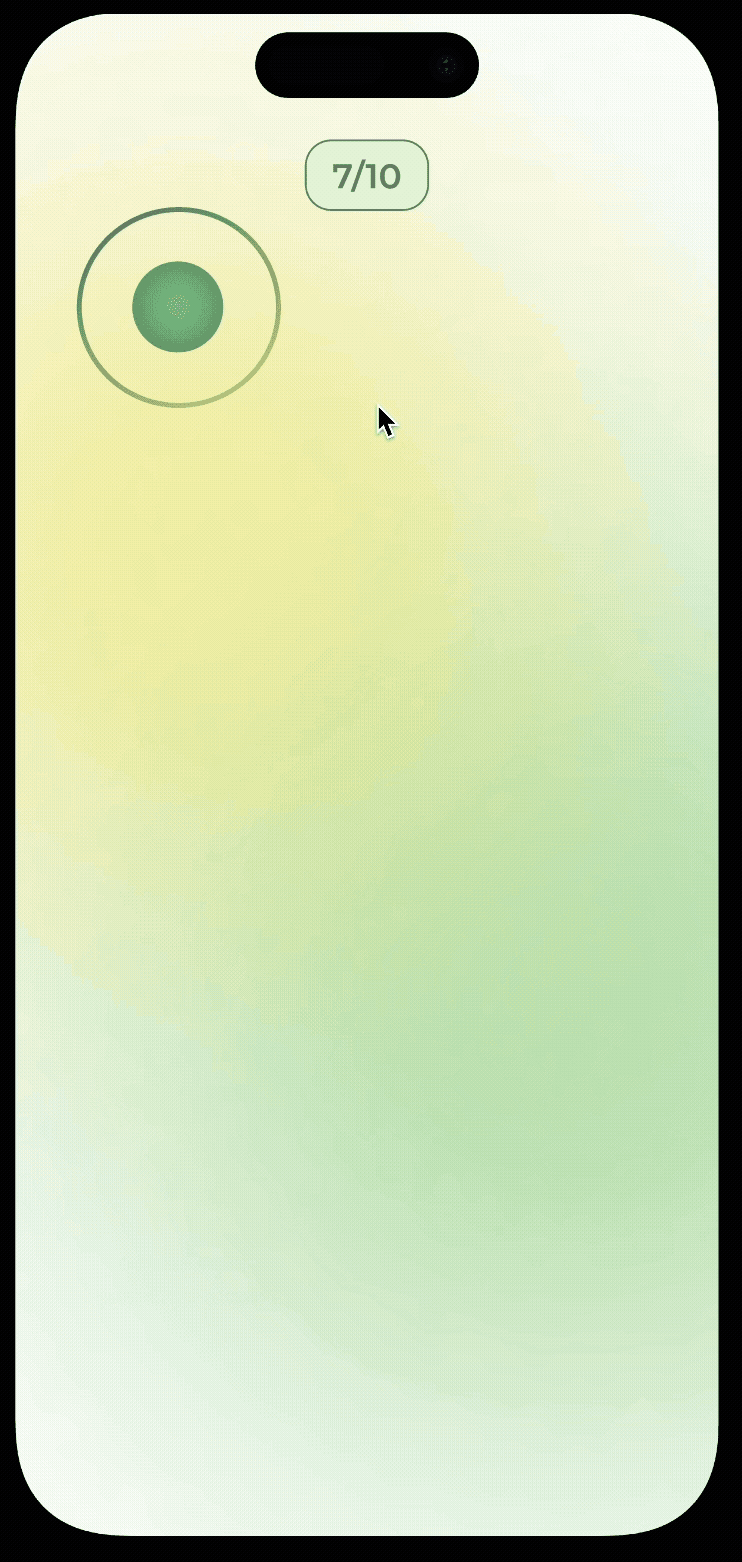
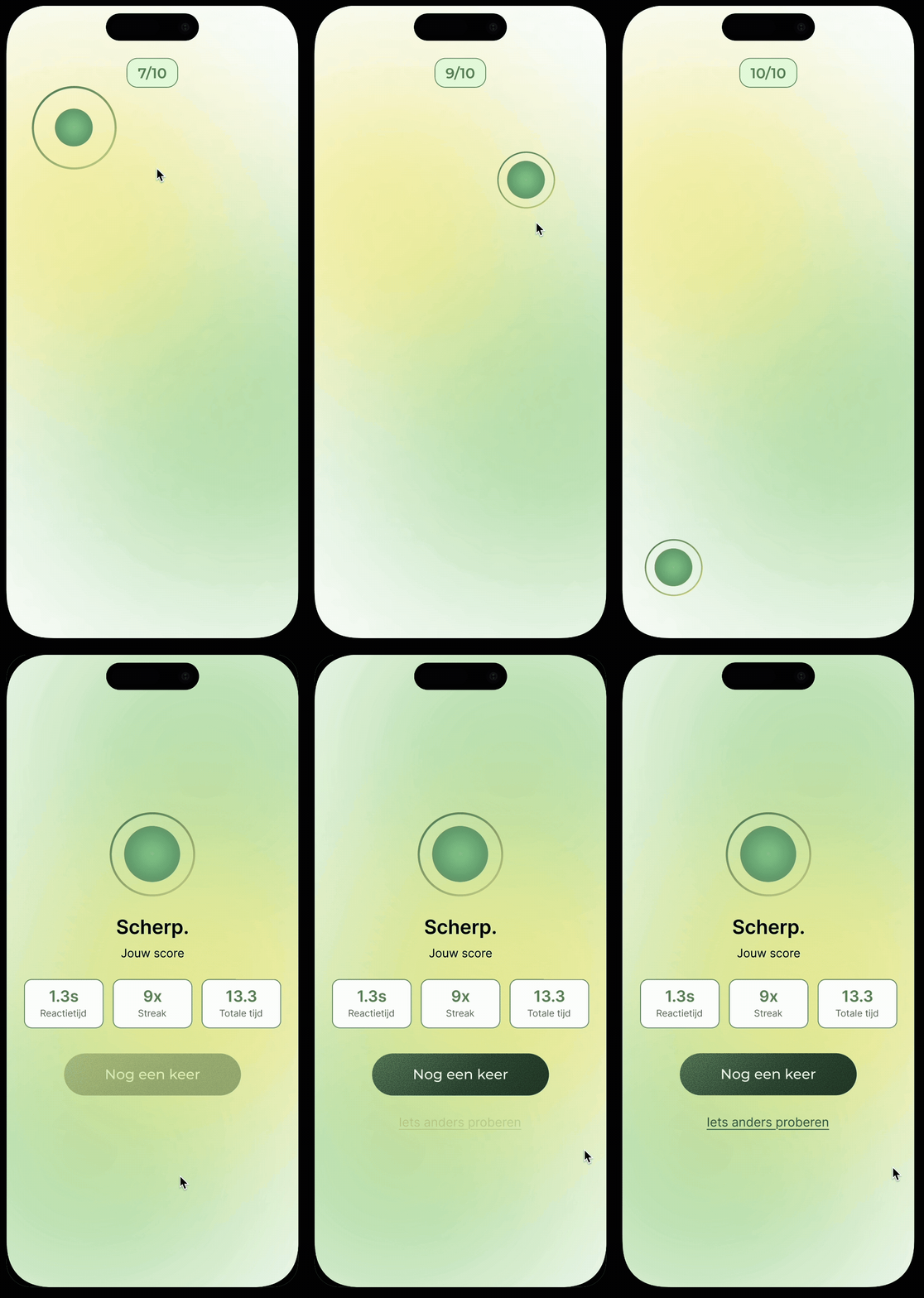
Lucid's tools help users create distance from an impulse before acting on it. They are designed around common triggers identified in the research, including frustration, tension and boredom. The tools can also be opened directly from the app whenever support is needed.
How it works
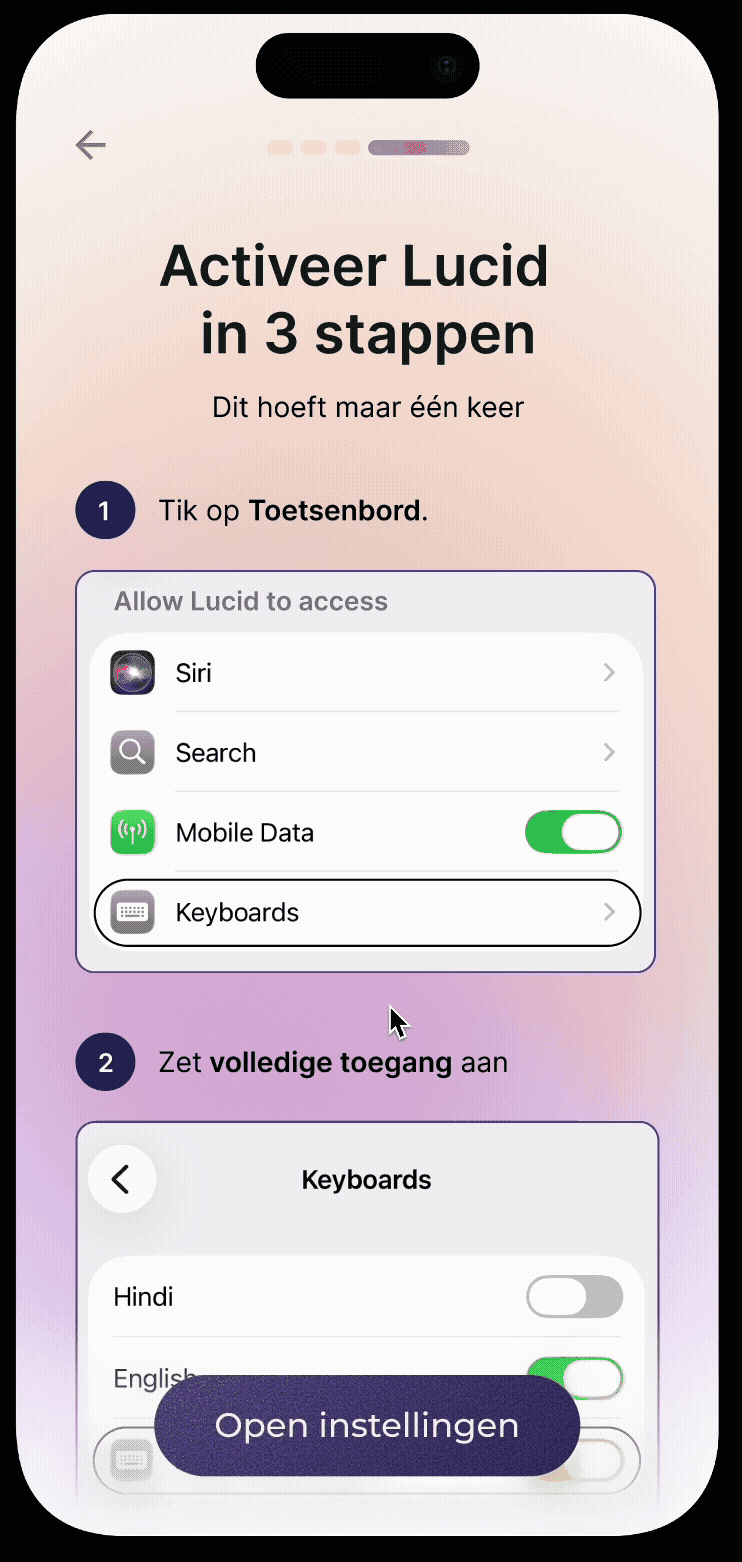
Lucid works as a layer above the keyboard and uses a combination of signals to recognise potentially impulsive moments. These include typing speed, response time, word choice, emojis and recent context. Together, these signals help estimate when a user may be reacting quickly or emotionally. The analysis takes place through on-device AI, meaning all processing happens directly on the phone and no data leaves the device. Lucid only offers a suggestion or moment of reflection, it never blocks a message or makes the decision for the user.
Proof of concept
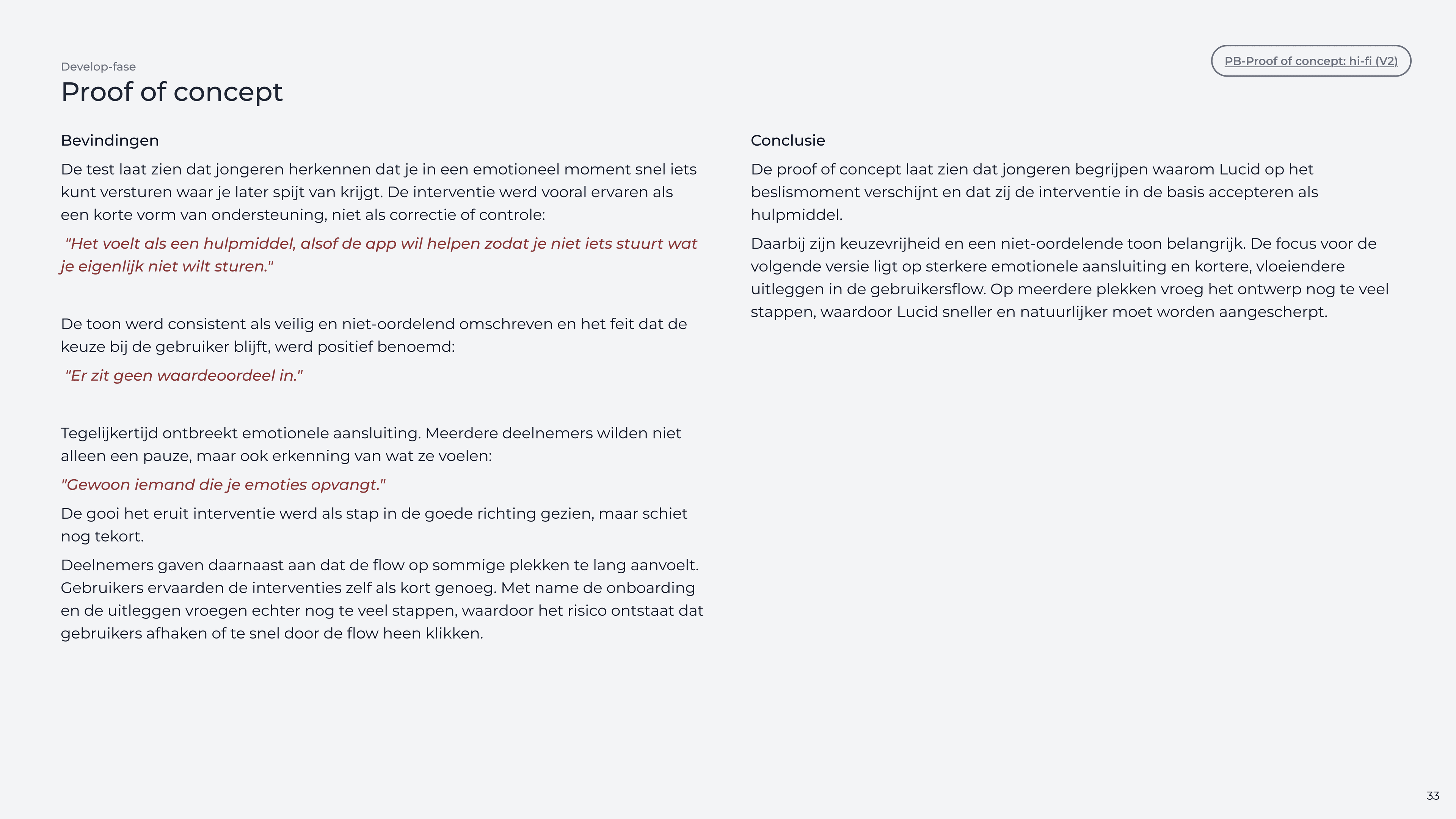
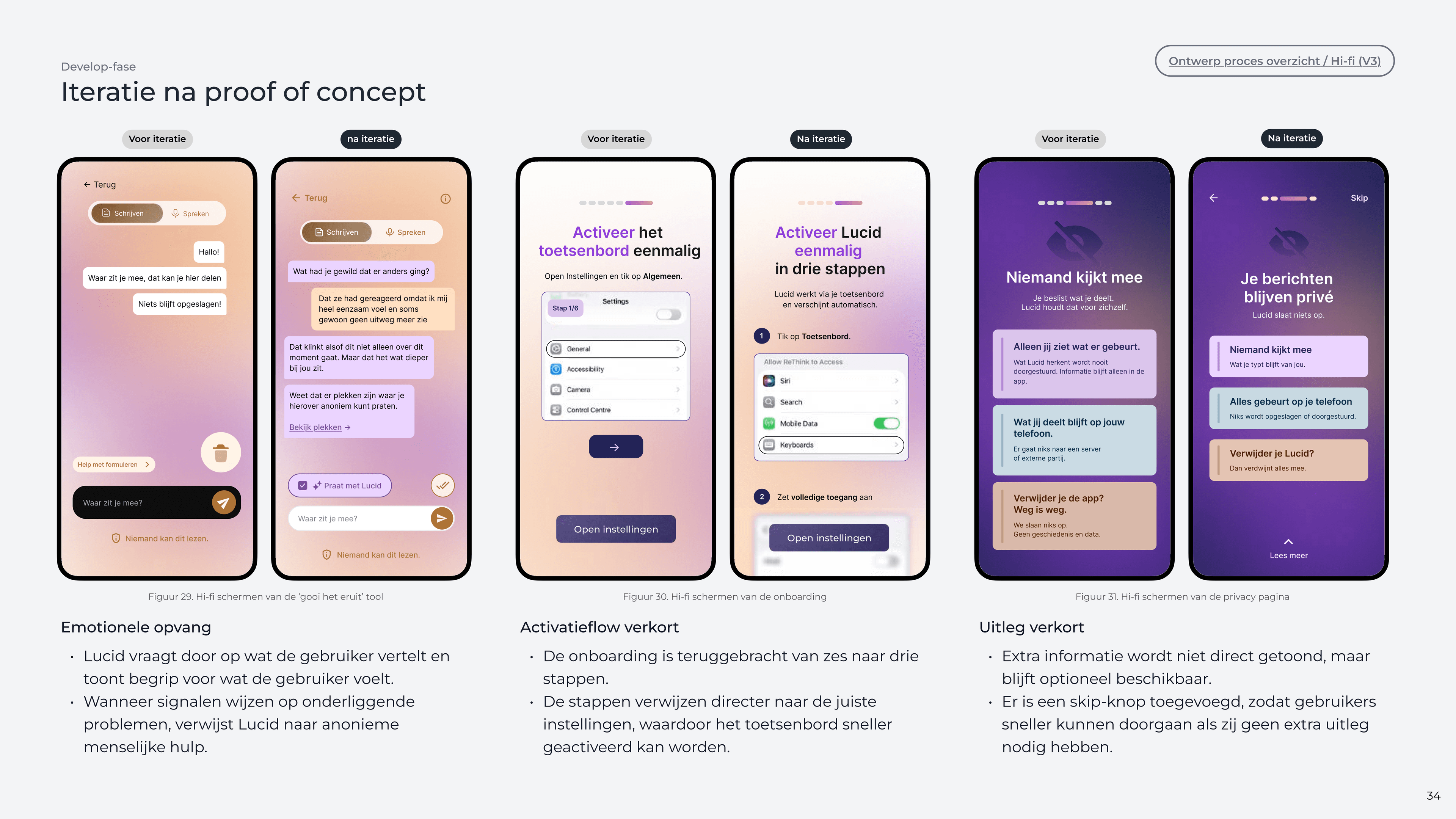
Lucid was tested with young people and reviewed by UX professionals from the City of Amsterdam. Participants understood why the intervention appeared and experienced it as supportive rather than controlling. The results provided early validation that Lucid is a relevant and acceptable design direction. The feedback was then used to refine the flow and make the intervention feel more natural.

